pond liner
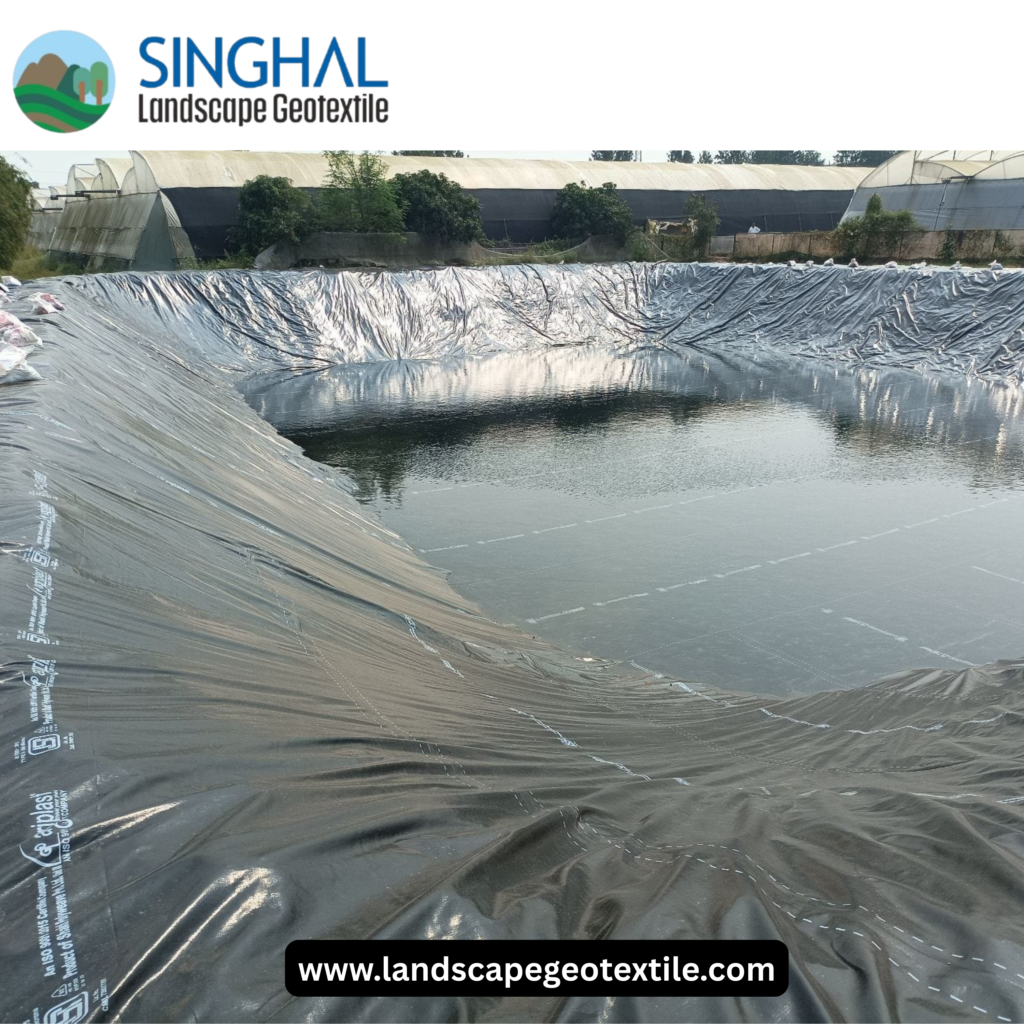
Water is swiftly taking precedence as a strategic resource in agriculture, aquaculture, landscaping and industrial development. As populations grow and demand for more water increases, effective systems of storage are an opportunity to reduce waste and keep resources available in the long run. Pond Liners: The waterproof butyl covering that makes up the base of these systems preventing water from seeping into soil. A simple yet very efficient approach to increase storage space and prevent structural damage on ponds & reservoirs. Advances in modern engineering, with the availability of new materials that can withstand harsh environmental conditions, guarantee that today pond liners are more durable than ever before in the past. Two of the most popular are: The poly pond liner, for unparalleled strength to price ratio and EPDM pond liner, for its incredible flexibility and weather resistance. Pond liners offer decades of reliable service, effective performance for responsible water management with their applications in agricultural reservoirs, fish farming ponds, rainwater harvesting systems and decorative water gardens or industrial containment lagoons.
How Pond Liner Materials Influence Performance
The material used in a Fish safe pond liner makes it more long-lasting, extensible and also more environmentally sound. Manufacturers focus on creating liners resistant to physical damage and the elements (harsh weather, extreme temperatures and ultraviolet radiation) which can affect a liner when constantly submerged in water using advanced polymer technologies. Polyethylene pond liners are formed entirely of high-grade polyethylene resin, designed to withstand tensile stresses. A remarkable yield point in contrast to the fabric weight and larger size than filled pond toners make it lightweight,employable in commercial packing water endeavor. On the other hand, pond liner EPDM is manufactured from synthetic rubber compounds featuring a very high degree of flexibility enabling it to suit any naturally occurring pond shape and steep slopes and decorative landscape features. At the factory, following our own strict set of manufacturing standards in conjunction with independent testing in laboratory conditions for tear strength and waterproofing, UV stability, chemical resistance and overall dimensional consistency; all base layer liners pass through stringent quality control checks before being dispatched to customers.
Applications That Extend Across Numerous Industries
Pond Liners have attained importance in various industry verticals due to reliable and cost-effective water containment solutions. It also is a significant win for agriculture, as they are placed on irrigation ponds, farm reservoirs, canal systems and rainwater harvesting structures to maximise water use efficiency and assist in alleviating seasonal shortfalls. Aquaculture ponds are established using pond liners, to create controlled environments for fish and shrimp or ornamental species while ensuring appropriate water quality. When it comes to seasonal (at LLL or your home) reservoirs for decorative ponds, fountains and waterfalls and similar long-lasting leak-proofing functions in dedicated BOTANICAL & WATERING water features, Liners are relied upon when used by Lakeside Landscaping or any contractor. Industrial companies that own wastewater treatment lagoons, chemical storage reservoirs & evaporation ponds and process water systems rely on with pond liners to prevent contamination. The range of applications moving from domestic pond applications in the garden to grand monuments, PE pond liner material is naturally versatile and so are the pond liner EPDM products.
Benefits That Make Pond Liners a Valuable Investment
Another long term benefit that the Pond Liner will allow your pond to enjoy, is when it comes time to operate. The most important benefit is that it limits the amount of water coming in, allowing reservoirs to keep more volume with minimal replenishment. They also resist punctures, abrasion (they’re engineered to provide high levels of resistance), ultraviolet (UV) radiation, biological growth and chemical exposure—wherever it’s needed, even in hot conditions. High-density polyethylene pond liner is characterized with longevity, low maintenance, inexpensive and easy to install under mostly large farming or industrial applications where a lot of water is needed. Due to its stretchability, pond liner EPDM is also ideal for decorative landscaping; it can be placed around rounded and natural edges, land shapes or elaborate water features. Pond liners help you keep pond structures steady, preventing erosion, very functional while helping to save on annual itself upkeep over time. Taken together, these advantages leads to robust and durable systems for long-term water storage that perform well over the decades.
Selecting the Right Pond Liner for Maximum Efficiency
The specific categorization of the pond project should give serious consideration to the type liner in order to assure providence that will last as long as possible. Engineers and project planners must always consider the size of pond, depth of water, type of soil below it and your expectations regarding longevity along with its use when deciding on a liner. Polyethylene pond liner is another good material of choice that is used for irrigation reservoirs, industrial lagoons, mining ponds and commercial water storage for its high degree strength properties and resistance against environmental stress. On the other hand, EPDM for pond liner is a more favorable type when installation flexibility and aesthetics are not required as with ornamental ponds, golf course water plants, residential landscapes and botanical gardens. Good layer thickness, preparation of the fund, underlays reducing moisture effects on soils, properly constructed seams by authorized employees and fastening to soil should improve waterproofing so that condition strengthens while extending operational lifetime in total retention system.
Environmental Value of Modern Pond Liner Systems
The sticky out of colors and steered layered development made Pond Liners a fundamental piece of for all motivations and purposes every new water the administrators undertaking as environmental manageability has turned out to be a vital preceding condition today, and since today we have different types of normal assets that ought to be ensured. Using pond liners helps to increase the efficiency of irrigation since they prevent the water from leaking away. It also minimizes reliance on extraction from ground water. It’s also designed to help contain fluids in the event leaks occur, keeping any toxic substances from soaking into soil and near water supplies, which is essential to conserving local ecosystems and staying within environmental regulations. These polyethylene pond liner systems and pond liner EPDM installations provide decades of reliable service with low maintenance, extending the time between renewals and saving virgin materials.
Innovation and Future Trends in Pond Liner Technology
With constant research and technology development, the performance of Pond Liners is improving tremendously. Novel polymer formulations to impart improved resistance to degradation by ultraviolet light long-term, protection from oxidation, environmental stress cracking and other aggressive chemicals without sacrificing flexibility. Hence, the advanced manufacturing technology is helpful not only in improving the consistency, mechanical strength and dimensional accuracy of product but also helps in reducing percentage of material waste. Prefabricated liner panels (large pieces that are pre-assembled off-site), leading to shorter installation time due to decreased field seams and leakage potential. Do double-la id liners help hydraulic segregation? Automated inspection systems further improve quality assurance throughout production. Researchers also study recyclable polymer technologies and the production methods that can reduce carbon emissions while increasing durability.
Conclusion
Of all the water retaining and watering saving techniques that exist, a Building a natural pond without liner must still be one of the most practical and reliable. It reduces seepage, protects the nearby environment, lowers maintenance expense and assists improve productivity while it is used for getting ready to operate. Comparison of Performance Tons Of Polyethylene supports, inexpensive and durable in large-scale water storage projects. Pond Liner EPDM incredible flexibility and ability for decorative landscapes or unusual pond forms. In collaboration with professional installation, liner systems are maintained for many years and assist in parts of sustainable water management. Pond liners are going to be indispensable as we conserve one of our most important resources in this ever-changing world.
Frequently Asked Questions
What is the best pond liner material for long-term durability?
HDPE; high-density polyethylene is praised for among all pond liner materials its excellent puncture resistance, excellent UV stability and extreme long service life.
Can I buy a pond liner at Home Depot?
Yes, you can find all kinds of pond liner products at retailers such as Home Depot. It contains plastic and rubber which is certainly heaps super for ponds associated with the paintings you are possibly going to do.
How long does a pond liner usually last?
The best long-lasting liners may work for about 20−50 years depending on the material and installation quality.
How do I prevent leaks during installation?
Put down underlayment, carefully manipulate the liner and make sure that they overlap properly and are weighed down correctly.
Who is the largest exporter of Pond Liner?
As it relates to Singhal Landscape Geotextile Exporter, it seems they are a regionally important exporter, but will serve specific markets.