Mulch Film
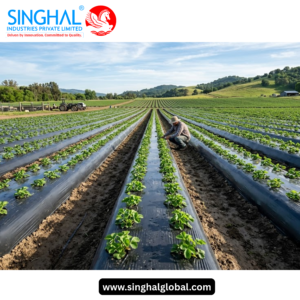
The use of advanced techniques by farmers to improve crop quality, protect the environment’s natural resources, and maximize operational efficiency has been increasing over time. An example of how technology has assisted farmers in enhancing their practices is through the development of agricultural mulch film. Agricultural mulch film is a thin plastic material that is placed on top of the soil as a protective layer. The protective layer enables farmers to conserve water, regulate temperatures, and inhibit weed growth. Agricultural mulch films are typically produced using polyethylene, and they are available in varying thicknesses, colors, widths, and lengths. This enables farmers to choose the most suitable agricultural mulch film based upon its specific use. Agricultural mulch films are commonly used within vegetable production, fruit cultivation, horticultural operations, greenhouse production, and commercial agricultural enterprises.
Different Varieties of Mulch Film and Their Uses
Farmers must determine which type of Mulch Film Exporter is most appropriate for them based on the crops being grown; the soil type; the weather conditions in the region where the grower is located; and the grower’s long term objectives for his/her operation. Black mulch film is used by a significant number of farmers and growers. Black mulch film prevents sunlight from reaching the soil beneath it. Therefore, black mulch film prevents weeds from emerging as well as reduces moisture loss through evaporation. A second option for growers is a silver-black mulch film. Silver-black mulch film has a reflective top layer and a black lower layer. Silver-black mulch film provides growers with several options regarding managing the amount of light that enters the growing area. A third option for growers is a transparent mulch film.
Role of Mulch Film in Moisture Conservation and Soil Temperature
Water availability is the main factor determining how well a farmer can grow his/her crops. If it is too hot or cold outside, or if it rains too little or too much, then a great deal of water evaporates from the soil, leaving less water available for the plant’s root system. Mulch film helps solve this issue by placing a layer over the bare soil, so the soil does not directly touch the air. Mulch film can also help retain moisture in the soil longer than usual, and can improve the efficiency of various types of watering techniques. Mulch film can even regulate how much light reaches the ground and how much heat the ground holds onto. The color of mulch film you choose will affect its thermal properties. Therefore, you should select the type of mulch film based upon the color you want to use for each growing season.
Weed Control and Improved Crop Growing Conditions
Farmers are faced with a large problem in terms of weed control because they compete directly with the crops being grown for the same resources that the plants require. Manual weed control is both time-consuming and expensive. One way to help eliminate some of the expense associated with manual weed control is through the use of black or opaque mulch films. These types of films can restrict the amount of light that penetrates the soil, thereby limiting the number of weed seeds that germinate. Using mulch films can make the field easier to maintain, as well as decrease the frequency of having to manually remove weeds. Mulch films also serve as a barrier between developing fruits and vegetables and the soil. This can help reduce the amount of contact that the developing fruits and vegetables have with mud and splash from the soil. The success of using mulch film as a method of reducing manual weed control depends greatly on how well the mulch film is installed, how tightly it is placed around the edges of the field, and how much area the mulch film covers.
Agricultural Applications Across Different Crop Categories
Mulch films are used across various forms of agriculture because they can be adapted for a wide variety of crop types and planting methods. Commercial vegetable growers most often utilize mulch films during the production cycle of tomatoes, cucumbers, chili peppers, capsicum, brinjals, and a number of other commercially viable vegetable crops. Fruit producers use appropriate mulch films with strawberries, watermelons, and in particular applications with orchards to regulate the amount of water in the soil and to suppress weed growth. Horticulturalists also find mulch films useful in the production of plants from seeds or cuttings inside greenhouses; in the production of cut flowers; and in protected environments such as high tunnels. For those who produce crops in greenhouses, the utilization of mulch films can assist in establishing defined areas of production within the greenhouse and facilitate the process of managing irrigation.
Understanding Mulch Film Price and Factors Affecting Cost
Mulch Film Price will depend on many factors that buyers must consider before purchasing any type of agricultural packaging materials. Film thickness is one of the main factors in determining how much raw material is consumed in producing a specific film. Roll Width, Roll Length, Color, Polymer Quality, and Customization Requirements can also contribute to the final price of a film. Commercial Pricing for Large Volume Orders may vary from smaller orders due to the Manufacturer’s Capability of Production and/or Distribution Channels. There are also several other considerations such as Transportation Costs, Installation Costs, and Estimated Life Expectancy of a Product that Farmers should examine when considering alternative choices. It is essential to keep in mind that selecting a film simply because of its low cost can lead to problems with Durability and/or Consistency. Therefore, examining Product Specifications, Assessing Product Quality, and Identifying the Intended Agricultural Application will aid Buyers in making a More Cost-Effective and Educated Purchase.
Selecting a Dependable Mulch Film
A customer should choose a professional Mulch Film Manufacturer so that they can be assured that the films supplied will meet the agricultural standards of their individual customers while consistently performing well. Professional Mulch Film Manufacturers should offer customers a variety of film materials, film thickness options, custom roll sizes and high-quality films. Before choosing a professional Mulch Film Manufacturer, a customer needs to consider how the raw materials used are sourced, what types of manufacturing processes are used, how uniform the film is when it leaves the production line, how long the film lasts after being applied to the field and what quality control measures are put into place. Customers also need to get help from technical support as different crops and growing environments may necessitate certain characteristics in the film. Professional Mulch Film Manufacturers can help customers identify films that will work best in their specific application.
Conclusion
The Mulch Film Supplier can be used in agriculture to help farmers grow crops more effectively through improved soil management, moisture retention, weed control, etc. Mulch films are available in many different colors, widths and thicknesses to accommodate different types of agricultural operations. Farmers can choose which type of mulch film would work best for them depending on their specific requirements such as material specifications, local climate conditions, crop requirements, budget, etc. Working with a knowledgeable manufacturer can help ensure that farmers have access to consistent quality mulch films when needed. As farmers continue to seek ways to maximize productivity and resource use within the modern agricultural industry, mulch films continue to be a viable option for farmers seeking to improve the efficiency of growing crops and managing their land.
Frequently Asked Questions
-
What makes mulch film useful for modern agricultural practices?
Mulch films cover the surface of the soil and have numerous advantages such as conserving water, controlling the temperature of the soil, preventing weeds from developing, and maintaining a clean environment around the crop. -
Is black mulch film suitable for all agricultural crops?
Black plastic mulch film is very suitable for several types of vegetables and horticultural plants. However, in some instances, mulch film may not be the best option to utilize within a specific growing area. -
How does mulch film influence irrigation efficiency?
When using mulch film, you are likely to have more time during the growing season when you can depend upon having enough water for your plants to thrive. This is because the film helps prevent loss of water from the upper layer of soil through evaporation. -
Which crops benefit the most from Mulch Film?
In addition, it has positive effects on the soil protection and water-holding properties of many different crop types particularly those in vineyards, orchards, and other large scale plantations. -
Who is the largest manufacturers of Mulch Film?
Singhal Industries Private Limited is one of the manufacturers of Mulch Film, but it is not generally recognized as the largest manufacturer worldwide.