fat transfer in dubai
Understanding Fat Transfer and How the Procedure Works
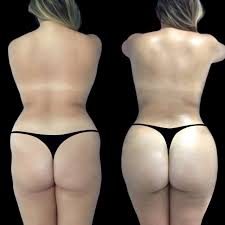
Fat transfer, also known as fat grafting, is a cosmetic procedure that moves fat from one area of the body to another. The process generally involves three main stages: fat collection, fat processing, and fat injection.
First, fat is collected from areas such as the abdomen, thighs, or hips through a gentle liposuction technique. The collected fat is then processed to separate healthy fat cells from unwanted fluids and other materials.
After processing, the prepared fat is carefully injected into the selected treatment area. The goal is to improve volume and create balanced, natural-looking contours.
However, transferred fat needs an adequate blood supply to survive in its new location. During the first few months, the injected fat cells must establish a connection with the surrounding tissues. Some cells may not receive enough blood supply and can gradually be absorbed by the body.
Why Does Transferred Fat Sometimes Not Survive?
Fat survival depends on several factors. After injection, transferred fat cells need oxygen and nutrients from nearby blood vessels. If the cells do not receive sufficient support, they may not survive.
There are several reasons why some transferred fat may be absorbed.
1. Insufficient Blood Supply
The most common reason for fat loss is inadequate blood circulation. Newly transferred fat cells depend on surrounding tissues for oxygen and nutrients. If the blood supply is insufficient, some cells may gradually die and be absorbed.
2. Injection Technique
The way fat is placed into the treatment area can influence its survival. Fat needs to be distributed carefully in small amounts so that it can connect with surrounding tissues.
3. Excessive Fat Injection
Injecting too much fat into a limited space may reduce the chances of survival. When too many fat cells are placed together, some may not receive enough oxygen and nutrients.
4. Smoking
Smoking can affect blood circulation and reduce the oxygen available to healing tissues. This may negatively influence fat survival and recovery.
5. Pressure on the Treated Area
Excessive pressure, friction, or direct trauma during recovery may affect the transferred fat. Following aftercare instructions is important for protecting the treated area.
What Happens When Transferred Fat Does Not Survive?
When transferred fat does not survive, the body usually absorbs it naturally over time. This process may cause some of the initial volume to decrease.
For example, if a person receives fat injections in the cheeks, the cheeks may initially appear fuller. During the healing period, some of that volume may gradually disappear as the body absorbs fat cells that have not survived.
The final result may therefore look less full than the appearance immediately after the procedure.
In most cases, this gradual reduction is expected. However, significant volume loss, unusual swelling, increasing pain, skin discoloration, or other concerning symptoms should be evaluated by a qualified medical professional.
It is important to understand that fat absorption does not always mean the entire procedure has failed. Many patients retain a portion of the transferred fat permanently.
How Much Transferred Fat Usually Survives?
Fat survival rates vary from person to person. The amount of fat that remains depends on the treatment area, injection technique, individual healing response, blood supply, and aftercare.
Some transferred fat may be absorbed during the first few months. The remaining healthy fat cells can establish a blood supply and become part of the surrounding tissue.
The final results are generally assessed after the healing process has progressed, often around three to six months. However, the exact timeline varies depending on the individual and treatment area.
Patients should avoid judging their final results immediately after surgery because early swelling and fluid changes can make the treated area look larger than its eventual appearance.
Fat Grafting Results: What Changes Should You Expect?
The results of fat grafting develop gradually. Immediately after treatment, the area may appear fuller because of swelling and the additional volume of injected fat.
As the body heals, swelling decreases and some transferred fat may be absorbed. This can make the treated area look smaller over the following weeks and months.
Once the surviving fat cells establish themselves, the remaining volume can provide long-lasting improvement.
Patients should remember that natural fat cells can still change with weight fluctuations and ageing. Maintaining a relatively stable weight can help preserve the appearance of the treated area.
Under Eye Fat Transfer: What If Some Fat Is Absorbed?
Under eye fat transfer is used to improve hollow areas, reduce the appearance of volume deficiency, and create a smoother transition between the lower eyelids and cheeks.
Because the under-eye region has delicate tissues, careful treatment planning is particularly important.
If some transferred fat does not survive, the under-eye area may gradually lose some of its initial fullness. This can result in a partial return of the original hollow appearance.
Possible changes include:
- Reduced fullness beneath the eyes.
- Partial return of under-eye hollowness.
- Uneven volume between both eyes.
- Less noticeable improvement than initially expected.
Not every patient experiences these changes. Some retain a satisfactory amount of transferred fat and enjoy long-lasting results.
If significant fat loss occurs, an appropriate treatment plan can be discussed after the tissues have healed completely.
Can the Body Absorb All Transferred Fat?
Complete fat absorption is possible, although it is not the usual outcome of a properly planned procedure.
Fat survival varies depending on the patient’s body, the treatment area, and the surgical technique. In most cases, some portion of the transferred fat survives and remains in the treated area.
If a large amount of fat is absorbed, the desired cosmetic improvement may not be achieved. However, the situation can be evaluated once the healing process is complete.
Patients should understand that fat transfer cannot guarantee that every injected fat cell will survive. A realistic understanding of the procedure helps prevent disappointment.
Best Fat Transfer Surgeon in Dubai: Why Experience and Technique Matter
People researching the Best fat transfer surgeon in dubai often want to understand how surgical technique influences the final outcome.
Fat transfer requires careful handling of fat cells throughout the collection, processing, and injection stages. Each stage plays a role in the quality of the transferred fat.
Important considerations include:
- Careful fat collection to minimise unnecessary damage to fat cells.
- Appropriate processing before injection.
- Controlled placement of small amounts of fat.
- Understanding the anatomy of the treatment area.
- Providing suitable recovery and aftercare instructions.
The phrase Best fat transfer surgeons in Dubai is frequently used by people comparing cosmetic treatment options. However, choosing a procedure should involve more than focusing on a title or promotional claim. Patients should understand the procedure, its limitations, possible complications, and realistic outcomes.
Fat Transfer in Dubai: What to Expect During Recovery
Recovery is an important part of achieving satisfactory Fat transfer in dubai results. During the initial healing period, patients may experience swelling, bruising, tenderness, and temporary changes in the treated area.
These symptoms generally improve gradually.
The recovery process may include the following stages:
First Week: Swelling and bruising are usually more noticeable. Patients should follow their individual aftercare instructions and avoid unnecessary pressure on treated areas.
Second to Fourth Week: Swelling generally begins to decrease. The treated area may look different as the tissues continue healing.
One to Three Months: The body gradually absorbs some of the transferred fat. The overall appearance becomes more settled.
Three to Six Months: Results become easier to assess as swelling decreases and surviving fat cells stabilise.
Recovery timelines vary according to the treatment area and individual healing response.
Fat Transfer Cost in Dubai: What Factors Affect the Price?
The Fat transfer cost in dubai can vary depending on the treatment area, amount of fat required, procedure complexity, and individual treatment plan.
Some people need a small amount of fat for facial enhancement, while others require larger amounts for body contouring.
Several factors may influence the overall fat transfer cost:
- The area being treated.
- The amount of fat required.
- The complexity of fat collection.
- The processing and injection techniques.
- The type of anaesthesia required.
- Facility and medical care expenses.
- Follow-up appointments and aftercare.
Understanding these factors can help patients make informed decisions before undergoing treatment.
Fat Transfer Prices: Why Do Treatment Costs Differ?
Fat transfer prices are not the same for every patient because each procedure is planned according to individual needs.
For example, facial fat transfer generally requires different amounts of fat and treatment techniques compared with larger body areas.
The overall fat transfer cost may also depend on whether one or multiple areas are being treated.
Patients should understand exactly what is included in a treatment estimate. It is useful to ask about consultation fees, medical expenses, follow-up visits, and any additional costs that may apply.
Choosing a procedure based only on the lowest price may not provide the best value. Understanding the treatment process and potential risks is equally important.
Fat Transfer Cost in Dubai: Is a Repeat Procedure Necessary?
If a noticeable amount of transferred fat is absorbed, some patients may consider another fat transfer procedure.
However, repeat treatment is not always necessary. The decision depends on the amount of surviving fat, the patient’s expectations, and the final appearance after healing.
A repeat procedure should generally not be considered until the tissues have had enough time to settle. This allows the actual amount of retained fat to become clearer.
If additional volume is needed, a qualified medical professional can assess whether another procedure is appropriate.
Best Doctors in Dubai: Understanding the Importance of Patient Safety
People searching for Best Doctors in dubai should remember that patient safety and realistic expectations are essential when considering any cosmetic procedure.
Fat transfer is a medical procedure, and it involves potential risks such as infection, bleeding, fat necrosis, uneven results, lumps, and changes in skin appearance.
Rare but serious complications can also occur, particularly if fat enters a blood vessel. Patients should understand these risks before making a decision.
A proper medical assessment, clear communication, and appropriate follow-up care are important parts of the treatment journey.
Dr. Perfect Celebrity and Perfect Doctors Clinic: Understanding Cosmetic Treatment Expectations
Terms such as Dr. perfect celebrity and Perfect Doctors Clinic may appear in online searches related to cosmetic treatments. However, patients should focus on understanding the procedure itself rather than relying on promotional descriptions.
Every individual has different facial features, body proportions, healing responses, and cosmetic goals. Therefore, treatment expectations should be based on personal assessment rather than celebrity comparisons or general online claims.
Natural-looking results depend on suitable treatment planning, realistic expectations, and proper recovery.
How Can You Improve Fat Survival After the Procedure?
Although patients cannot control every factor affecting fat survival, following appropriate aftercare instructions may support the healing process.
Here are some general recommendations:
- Avoid smoking and nicotine products, particularly during the healing period.
- Follow medical instructions about activity and exercise.
- Avoid unnecessary pressure on the treated area.
- Maintain a balanced and nutritious diet.
- Stay properly hydrated.
- Avoid sudden weight changes.
- Attend recommended follow-up appointments.
- Report unusual pain, swelling, skin changes, or other concerning symptoms.
These steps can support general recovery, but they cannot guarantee that all transferred fat cells will survive.
Final Thoughts: What If Transferred Fat Does Not Survive?
Fat transfer can provide natural-looking volume enhancement, but it is important to understand that some fat absorption is a normal part of the healing process. When transferred fat cells do not receive enough blood supply, the body gradually absorbs them.
This may lead to reduced volume, partial loss of the initial improvement, or a return of some original hollowness. However, surviving fat cells can remain in the treated area and provide long-lasting results.
Whether someone is researching Fat transfer in dubai, comparing fat transfer cost in dubai, or learning about under eye fat transfer, understanding fat survival is an important step towards making an informed decision.
The best approach is to have realistic expectations, understand possible complications, follow appropriate aftercare instructions, and allow enough time for the final results to develop. A well-informed decision can help patients feel more confident about their cosmetic treatment journey.