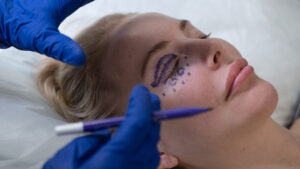
The eyes are one of the most noticeable features of the face. However, with age, the skin around the eyes can become loose, and fat pockets may create puffiness or under-eye bags. These changes can make a person look tired or older than they feel. Lower blepharoplasty is a cosmetic procedure designed to improve the appearance of the lower eyelids by addressing excess skin, fat deposits, and under-eye puffiness.
Many people consider Lower Blepharoplasty in London to achieve a fresher and more youthful appearance. However, the final results can depend on several factors, including skin quality, age, surgical techniques, individual anatomy, and aftercare. Understanding these factors can help patients develop realistic expectations before undergoing treatment.
At Bodyvie Clinic, patients can explore suitable options for improving the appearance of their lower eyelids. A personalised consultation helps determine the most appropriate approach according to individual needs and aesthetic goals.
What Is Lower Blepharoplasty and How Does It Improve the Lower Eyelids?
Lower blepharoplasty is a surgical procedure that focuses on improving the appearance of the lower eyelids. It is commonly performed to address under-eye bags, excess fat, loose skin, and certain age-related changes.
As people get older, the tissues supporting the lower eyelids gradually weaken. Fat that normally stays around the eyes can move forward, creating visible bags or puffiness. The skin may also lose elasticity, making fine lines and wrinkles more noticeable.
The procedure can involve removing or repositioning excess fat and, when necessary, removing loose skin. The exact technique depends on the patient’s anatomy and the concerns being treated.
At Bodyvie Clinic, understanding the patient’s expectations and examining the lower eyelid area are important steps when discussing treatment options.
What Factors Affect the Final Results of Lower Blepharoplasty in London?
The final appearance after surgery is not the same for everyone. Several personal and surgical factors can influence the outcome.
1. Skin Quality and Elasticity
Skin quality plays an important role in the final results of lower eyelid surgery. Younger skin usually has better elasticity, which helps it adjust to changes after surgery. However, people with reduced skin elasticity may have more noticeable loose skin around the eyes.
When the skin has lost firmness, removing or repositioning fat alone may not address every concern. The surgeon may need to consider whether additional skin removal is appropriate.
Patients should understand that surgery can improve the appearance of loose skin, but it cannot completely stop the natural ageing process.
2. Age and Natural Facial Changes
Age is another factor that can influence the results of lower eyelid surgery. As people grow older, the skin becomes thinner, collagen production decreases, and the supporting tissues around the eyes gradually weaken.
Some younger individuals develop under-eye bags because of genetics rather than ageing. Others experience puffiness and loose skin later in life.
There is no single ideal age for lower blepharoplasty. Suitability depends more on individual anatomy, skin condition, general health, and personal concerns than age alone.
At Bodyvie Clinic, patients can discuss their concerns and understand whether surgery is an appropriate option for their individual circumstances.
3. The Amount of Excess Fat Under the Eyes
Excess fat is one of the main reasons people consider lower eyelid surgery. Fat pockets can create bulges beneath the eyes, making the face appear tired.
The amount and position of this fat can affect the surgical approach and final appearance.
In some cases, excess fat may be removed. In others, repositioning the fat can help create a smoother transition between the lower eyelid and cheek.
Removing too much fat can sometimes create a hollow or sunken appearance. Therefore, maintaining a natural balance is important when planning the procedure.
4. Surgical Technique and Treatment Approach
The surgical technique selected can have a significant effect on the final results. Lower blepharoplasty is not performed in exactly the same way for every patient.
Two commonly used approaches include:
- Transconjunctival approach: The incision is made inside the lower eyelid. This technique is often suitable for patients who mainly have excess fat without significant loose skin.
- Transcutaneous approach: The incision is made just below the lower eyelashes. It may be considered when both excess skin and fat need to be addressed.
The appropriate approach depends on the patient’s eyelid structure, skin elasticity, and treatment goals.
Choosing a suitable technique helps the surgeon address the concerns while considering eyelid function and natural appearance.
How Does the Surgeon’s Experience Affect the Final Results?
The surgeon’s experience and understanding of eyelid anatomy are important considerations before undergoing lower blepharoplasty.
The lower eyelid is a delicate area that requires careful planning. The surgeon must consider skin thickness, fat distribution, eyelid support, and the relationship between the eyes and cheeks.
An appropriate surgical plan aims to improve under-eye bags without creating an unnatural or overly tight appearance.
Patients researching the Best Lower Blepharoplasty in London should consider the surgeon’s relevant qualifications, experience, approach to patient safety, and ability to explain realistic outcomes.
At Bodyvie Clinic, patients can discuss their aesthetic concerns during a consultation and learn about the available treatment options. Asking questions about surgical techniques, recovery, possible risks, and expected results can help patients make informed decisions.
Does Genetics Influence Lower Blepharoplasty Results?
Genetics can influence how the lower eyelid area develops and changes over time. Some people naturally have prominent fat pockets beneath their eyes, even when they are young.
Others may inherit thinner skin, deeper tear troughs, or a particular lower eyelid shape that makes puffiness more noticeable.
These inherited characteristics can affect the starting appearance and the results that surgery can realistically achieve.
Although lower blepharoplasty can improve certain inherited concerns, it cannot completely change a person’s natural facial structure.
Understanding family history and individual anatomy can help patients develop realistic expectations before treatment.
How Does Overall Health Affect Recovery and Final Results?
General health is another important factor when considering lower eyelid surgery. A person’s physical condition can influence healing and recovery.
Certain medical conditions, medications, and lifestyle habits may increase the risk of complications or affect the healing process.
For example, smoking can reduce blood flow to tissues and may delay wound healing. Some medications and supplements can increase bleeding or bruising risks.
Before surgery, patients should provide their surgeon with complete information about their medical history, existing conditions, medications, and allergies.
Following medical advice before and after surgery can support a safer recovery.
What Role Does Aftercare Play in Lower Blepharoplasty Results?
Aftercare is essential for achieving the best possible outcome. Even when surgery is performed carefully, patients need time to heal properly.
Following the surgeon’s instructions can help reduce unnecessary swelling, bruising, and discomfort.
Important Aftercare Tips
Some general recovery recommendations may include:
- Keep the head elevated while resting to help reduce swelling.
- Use cold compresses only as directed by the surgical team.
- Avoid rubbing, pressing, or pulling the eye area.
- Follow instructions about prescribed medication and eye care.
- Avoid strenuous exercise until the surgeon gives approval.
- Attend all recommended follow-up appointments.
- Protect the healing skin from direct sunlight.
Patients should avoid returning to normal activities too quickly. Healing times vary, so individual recovery instructions should always take priority.
At Bodyvie Clinic, patients can discuss recovery expectations and understand the importance of following professional aftercare guidance.
How Long Does It Take to See the Final Results?
Lower blepharoplasty results develop gradually. Patients may notice improvements once the initial swelling and bruising begin to settle, but the final appearance takes longer to develop.
During the first few days, swelling, bruising, and mild discomfort are common. These effects generally improve over the following weeks.
As healing continues, the lower eyelid area gradually becomes smoother and more settled. Some patients recover faster than others, depending on their health, surgical technique, and individual healing response.
It is important not to judge the final results too early. The tissues need sufficient time to recover before the outcome can be properly assessed.
Patients should contact their surgical team if they experience severe pain, sudden changes in vision, increasing redness, or other concerning symptoms.
What Are the Common Risks That Can Affect the Final Results?
Like other surgical procedures, lower blepharoplasty involves certain risks. Understanding these risks is important before making a treatment decision.
Possible complications include:
- Swelling and bruising.
- Bleeding or infection.
- Dry or irritated eyes.
- Temporary changes in sensation.
- Visible scarring.
- Asymmetry between the lower eyelids.
- Lower eyelid retraction or pulling down.
- Difficulty closing the eyes completely.
- Changes in the appearance of the lower eyelid.
In some cases, additional treatment or revision surgery may be required.
A detailed consultation helps patients understand the possible complications and whether their individual anatomy makes them suitable for surgery.
What Factors Influence Lower Blepharoplasty Cost in London?
The Lower Blepharoplasty cost in London can vary depending on several factors. There is no single price that applies to every patient because treatment requirements are different.
Some important factors that may influence the overall cost include:
1. Surgical Technique
The technique required for the procedure can influence the total cost. A treatment involving fat repositioning and skin removal may require a different surgical approach from one involving fat removal alone.
2. Surgeon’s Experience
The surgeon’s qualifications, specialist experience, and professional expertise may influence the procedure’s fees.
3. Anaesthesia and Facility Fees
The type of anaesthesia, operating facilities, and clinical support required can contribute to the overall cost.
4. Individual Treatment Requirements
Patients with different eyelid concerns may require different treatment plans. The complexity of the procedure can therefore affect the final price.
5. Follow-Up Appointments
Postoperative care and follow-up consultations may also form part of the overall treatment package.
At Bodyvie Clinic, patients can discuss their treatment requirements and ask for a personalised cost breakdown during consultation. Understanding what is included in the quoted price helps patients make informed financial decisions.
How Can Patients Maintain Their Lower Blepharoplasty Results?
Lower blepharoplasty can provide long-lasting improvements, but it does not prevent natural ageing. Over time, the skin and supporting tissues around the eyes continue to change.
Patients can support their results by following healthy skincare and lifestyle habits.
Some useful practices include:
- Apply suitable sunscreen around the eye area.
- Wear sunglasses to reduce sun exposure.
- Maintain a balanced diet.
- Stay properly hydrated.
- Avoid smoking.
- Follow a gentle skincare routine.
- Get sufficient sleep.
- Attend medical follow-up appointments when recommended.
These habits cannot stop ageing, but they may help maintain healthier-looking skin and support overall eye-area appearance.
Who Is a Suitable Candidate for Lower Blepharoplasty?
Lower blepharoplasty may be suitable for adults who are concerned about persistent under-eye bags, excess lower eyelid skin, or fat deposits.
However, not everyone with under-eye puffiness needs surgery. Some concerns may be related to allergies, fluid retention, skin pigmentation, or other conditions that require different treatment.
A suitable candidate should generally be in good overall health, understand the possible risks, and have realistic expectations about the outcome.
A professional assessment is necessary to determine whether surgery is appropriate.
At Bodyvie Clinic, a personalised consultation can help patients explore their concerns and discuss the most suitable options for their lower eyelid appearance.
Conclusion
The final results of lower eyelid surgery depend on several factors, including skin elasticity, age, genetics, fat distribution, surgical technique, overall health, and aftercare. Every patient has different facial features and healing responses, so results can vary.
Choosing an appropriate surgical approach and following professional advice are important steps towards achieving a natural-looking outcome. Patients considering Lower Blepharoplasty in London should take time to understand the procedure, recovery process, possible risks, and expected costs.
At Bodyvie Clinic, patients can discuss their aesthetic goals, learn about treatment options, and receive guidance based on their individual needs. A detailed consultation is the first step towards deciding whether lower blepharoplasty is the right choice for achieving a fresher and more refreshed appearance.