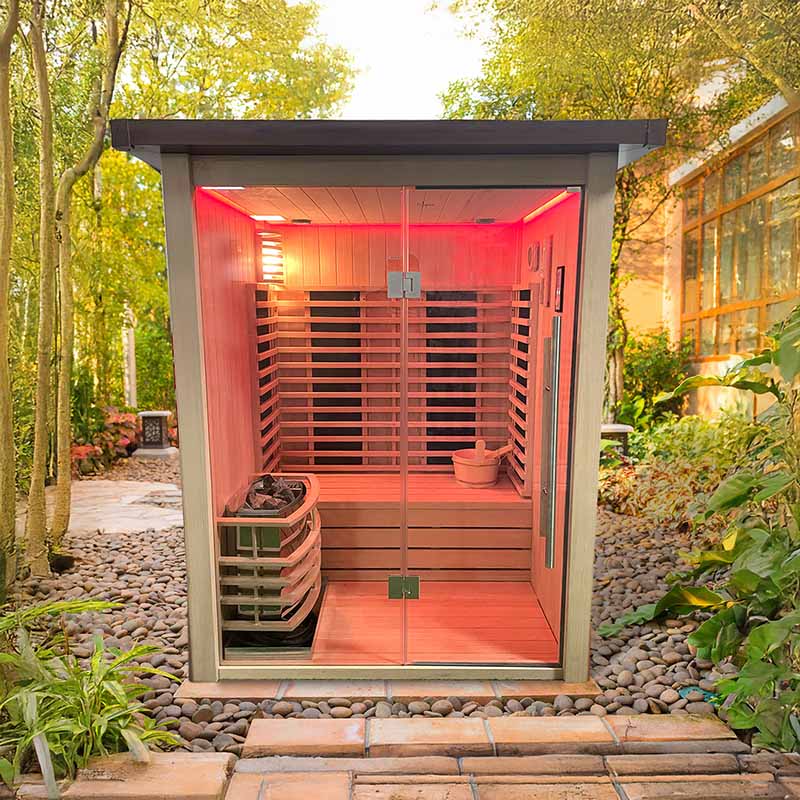
Saunas have long been associated with relaxation, warmth and personal wellbeing. Traditionally, sauna bathing involves sitting in a heated room where high temperatures create a warm environment that encourages sweating. However, modern wellness technology has introduced another approach to sauna bathing: infrared heating. This technology offers a different way to experience heat by using infrared energy to warm the body directly rather than relying primarily on heating the surrounding air.
For people exploring home wellness options, understanding these differences can make choosing the right sauna much easier. Whether you prefer the familiar experience of a traditional sauna or are considering a modern infrared cabin, both options offer distinctive features worth understanding.
The growing interest in an Infrared Sauna London UK reflects the demand for convenient home wellness solutions that fit modern lifestyles. Brands such as Health Mate offer infrared sauna options designed for people who want to incorporate regular relaxation into their daily routines.
This guide explores how infrared heating works, how it differs from traditional sauna technology, and what buyers should consider when choosing between the two.
Understanding How Traditional Saunas Work
Traditional saunas use a heating element, commonly an electric heater or a wood-burning stove, to raise the temperature of the surrounding air. Heated stones are often placed on top of the heater, and users can pour water over them to produce steam and increase humidity.
The main principle is straightforward: the heater warms the air inside the enclosed cabin, and the warm air transfers heat to the body. As the temperature increases, the body begins sweating as part of its natural temperature-regulation process.
Traditional saunas generally operate at temperatures between 70°C and 100°C, although settings vary depending on the sauna design and personal preferences.
This environment creates an intense heat experience. Some people enjoy the combination of high temperatures, heated stones and occasional steam because it resembles the traditional sauna experience found in spas and wellness facilities.
However, reaching these temperatures usually requires a warm-up period, and the surrounding cabin must be heated before the desired environment is established.
How Infrared Heating Works
Infrared saunas use a different heating method. Instead of primarily warming the surrounding air, infrared heaters emit infrared energy that is absorbed by the body and surrounding surfaces.
Infrared radiation is part of the electromagnetic spectrum and is naturally present in sunlight. In an infrared sauna, specially designed heating panels produce controlled infrared energy to create a comfortable heating environment.
The technology allows users to experience warmth without requiring the cabin to reach the same high air temperatures as a traditional sauna.
Most infrared sauna systems operate at approximately 40°C to 60°C, depending on the model and selected settings. This lower-temperature environment can appeal to people who prefer a less intense atmosphere while still enjoying a sauna experience.
Another important feature is the positioning of infrared heating panels. Their placement throughout the cabin helps distribute warmth around the seating area, allowing users to experience consistent heating during a session.
For anyone researching an IR Sauna UK, understanding this heating principle is an important first step when comparing different models.
Infrared Heating vs Traditional Sauna Heating: The Main Differences
Although both sauna types are designed to create a warm environment, their heating technologies produce noticeably different experiences.
1. Different Methods of Heat Transfer
The most significant difference is how each sauna transfers heat.
Traditional saunas primarily heat the air inside the cabin. The warm air surrounds the body, creating a high-temperature environment that gradually transfers heat to the user.
Infrared saunas use radiant heating panels to produce infrared energy. Rather than depending mainly on hot air, this energy is absorbed by the body and nearby surfaces.
This difference influences how each sauna feels during use. Traditional saunas provide an intense surrounding heat, whereas infrared models create warmth through radiant energy.
2. Operating Temperature
Temperature is another important distinction.
Traditional saunas typically operate at higher temperatures, often between 70°C and 100°C. These conditions create a strong heat sensation that traditional sauna enthusiasts may prefer.
Infrared saunas generally operate at lower temperatures, commonly between 40°C and 60°C.
The lower operating temperature does not mean that infrared heating is ineffective. Instead, it reflects the different way infrared technology delivers warmth.
People who prefer a gentler heating environment may find infrared cabins more comfortable, while those who enjoy intense heat may prefer traditional sauna bathing.
3. Warm-Up Time
Both sauna types require preparation before a session.
Traditional saunas need to heat the surrounding air, stones and interior surfaces to establish the desired temperature. Depending on the heater and cabin size, this can take approximately 30 to 45 minutes.
Infrared saunas generally require less time to reach their operating conditions because they do not need to heat the entire cabin to such high temperatures.
However, warm-up times vary according to heater performance, cabin dimensions, insulation and the manufacturer’s recommendations.
For busy households, this difference can make infrared technology an appealing option for fitting short relaxation sessions into everyday schedules.
4. Humidity Levels
Traditional saunas can offer different humidity experiences depending on how much water is poured over the heated stones. This creates steam and temporarily increases humidity inside the cabin.
Infrared saunas generally operate with low humidity because their heating systems do not depend on steam production.
This distinction affects the overall atmosphere. Traditional saunas offer a combination of hot air and optional steam, while infrared cabins provide a predominantly dry-heat experience.
Neither approach is automatically better. The preferred environment depends on individual comfort and personal expectations.
Why Are Infrared Saunas Becoming Popular in the UK?
The popularity of infrared sauna technology has grown as more people look for practical ways to create wellness spaces at home.
In cities such as London, where living space can be limited and daily schedules are often demanding, compact home wellness equipment can offer convenience.
An infrared sauna can be installed in a suitable indoor space, provided there is adequate room, appropriate electrical provision and sufficient ventilation according to the manufacturer’s instructions.
Another reason for growing interest is the lower operating temperature. Some people find that they prefer the warmth of an infrared cabin over the intense heat of a traditional sauna.
Modern designs also offer different cabin sizes, seating arrangements and heating configurations, making it easier to compare models according to available space and household requirements.
When considering an Infrared Sauna London UK, buyers should look beyond appearance and consider how the heating technology, cabin construction and practical features match their intended use.
Understanding Different Types of Infrared Heaters
Not all infrared saunas use identical heating technology. Different heater materials and configurations influence how energy is produced and distributed throughout the cabin.
Carbon Infrared Heaters
Carbon heaters are commonly used in modern infrared sauna cabins. They generally feature large heating panels designed to distribute warmth across a wider surface area.
Their broad heating coverage can help create a consistent experience throughout the seating area.
Carbon panels are often selected for their relatively even heat distribution and suitability for residential sauna designs.
Ceramic Infrared Heaters
Ceramic heaters use ceramic heating elements to generate infrared energy. They are commonly designed as smaller heating units that can produce concentrated heat.
Depending on their arrangement, ceramic heaters may create more localised heating zones within the cabin.
Their performance depends on the design, positioning and specifications of the complete sauna system.
Full-Spectrum Infrared Heating
Full-spectrum infrared systems are designed to produce different infrared wavelength ranges, commonly described as near, mid and far infrared.
Each wavelength range has different physical characteristics and applications within infrared heating technology.
When comparing full-spectrum models, buyers should check the manufacturer’s technical specifications rather than relying entirely on marketing descriptions.
Understanding these options can help anyone planning to Buy Infrared Sauna UK choose a model that meets their expectations.
The Role of Cabin Design and Insulation
Heating technology is only one part of a well-designed sauna. Cabin construction also influences comfort, efficiency and everyday usability.
A properly designed cabin should provide sufficient insulation to help maintain stable internal conditions. Insulation reduces unnecessary heat loss and supports the heating system during operation.
The internal dimensions are equally important. Users should have enough room to sit comfortably without feeling restricted by the walls or heating panels.
Bench height, seating depth and panel placement can all influence the overall experience.
Material selection is another consideration. Many home infrared saunas use timber interiors, with manufacturers selecting materials according to their construction and performance requirements.
Ventilation should also be considered. A suitable airflow arrangement helps maintain a comfortable cabin environment, while electrical connections must comply with the manufacturer’s installation requirements and applicable UK standards.
Choosing Between an Infrared and Traditional Sauna
Choosing the right sauna depends on the type of experience you want to create at home.
A traditional sauna may be suitable for people who enjoy high temperatures, heated stones and the option of introducing steam. Its familiar atmosphere makes it a popular choice for those who appreciate conventional sauna bathing.
An infrared sauna may appeal to people who prefer radiant heating, lower operating temperatures and a modern home wellness setup.
Before making a decision, consider the following factors:
- Heating preference: Decide whether you prefer intense surrounding heat or radiant infrared warmth.
- Temperature range: Compare the operating temperatures supported by each model.
- Available space: Measure the installation area and check the cabin’s external dimensions.
- Electrical requirements: Confirm that your home can safely accommodate the sauna’s electrical specifications.
- Heating technology: Understand whether the model uses carbon, ceramic or full-spectrum infrared heaters.
- Cabin construction: Examine the materials, insulation, bench design and overall build quality.
- Everyday convenience: Consider warm-up time, controls, cleaning requirements and ease of use.
Taking time to compare these features helps ensure that your purchase meets both your practical requirements and personal preferences.
Why Consider Health Mate for an Infrared Sauna?
When researching home infrared sauna options, choosing a brand with a clear focus on sauna design and heating technology is important.
Health Mate provides information about infrared sauna products and different cabin configurations through its UK website. Buyers can explore available models and learn more about the features that distinguish individual products.
Rather than choosing a sauna based solely on its advertised temperature or appearance, it is worth examining the heating system, panel arrangement, construction quality and available dimensions.
The right model should fit comfortably within the intended installation space and offer features that suit your preferred sauna experience.
Exploring the available options at Health Mate can help buyers understand which infrared sauna configuration is appropriate for their home.
Conclusion
Infrared and traditional saunas both provide distinctive ways to enjoy heat-based relaxation, but their heating technologies work differently. Traditional saunas primarily warm the surrounding air, creating an intense environment with higher temperatures and the option of additional steam. Infrared saunas use radiant heating panels to produce warmth at generally lower cabin temperatures.
For people seeking a modern home wellness solution, infrared technology offers an alternative that may better match their temperature preferences, available space and daily routines.
Understanding the differences between carbon, ceramic and full-spectrum heating, alongside cabin dimensions, insulation and electrical requirements, makes the buying process more straightforward.
If you are researching an Infrared Sauna London UK, exploring the range available from Health Mate is a useful starting point for comparing modern infrared sauna designs and finding an option that complements your home.
Frequently Asked Questions
1. What is the main difference between an infrared sauna and a traditional sauna?
The main difference is the heating method. Traditional saunas heat the surrounding air using an electric or wood-burning heater, while infrared saunas use heating panels that emit infrared energy to warm the body and nearby surfaces.
2. Does an infrared sauna operate at a lower temperature?
Yes. Infrared saunas commonly operate between 40°C and 60°C, whereas traditional saunas generally operate between 70°C and 100°C. Exact temperatures depend on the model and settings.
3. Is an infrared sauna better than a traditional sauna?
Neither option is universally better. Infrared saunas may suit people who prefer radiant warmth and lower operating temperatures, while traditional saunas appeal to those who enjoy intense heat and steam.
4. How long does an infrared sauna take to warm up?
Warm-up times vary depending on the heating system, cabin size and insulation. Infrared models often require less preparation time than traditional saunas because they do not need to heat the surrounding air to very high temperatures.
5. What are carbon infrared heaters?
Carbon infrared heaters are heating panels designed to distribute infrared warmth across a relatively broad surface. They are commonly used in modern home infrared sauna cabins.
6. What is the difference between carbon and ceramic infrared heaters?
Carbon heaters generally provide broad heating coverage through larger panels, while ceramic heaters use smaller heating elements that can produce more concentrated heat. The actual experience depends on their design and positioning.
7. Do infrared saunas produce steam?
Most infrared saunas operate as dry-heat cabins and do not produce steam in the same way as traditional saunas. Traditional models can generate additional humidity by pouring water over heated stones.
8. Can I install an infrared sauna at home in London?
Yes, an infrared sauna can be installed in a suitable home environment, provided there is adequate space, appropriate electrical provision and sufficient ventilation. Always follow the manufacturer’s installation guidelines.
9. What should I check before buying an infrared sauna in the UK?
Consider cabin dimensions, heating technology, insulation, timber construction, electrical requirements, bench design and warranty information. Checking these details helps you select a sauna that suits your home and preferences.
10. Where can I explore infrared sauna options in the UK?
You can explore the available infrared sauna range from Health Mate through its official website atComparing different cabin designs and heating specifications can help you make an informed purchasing decision.