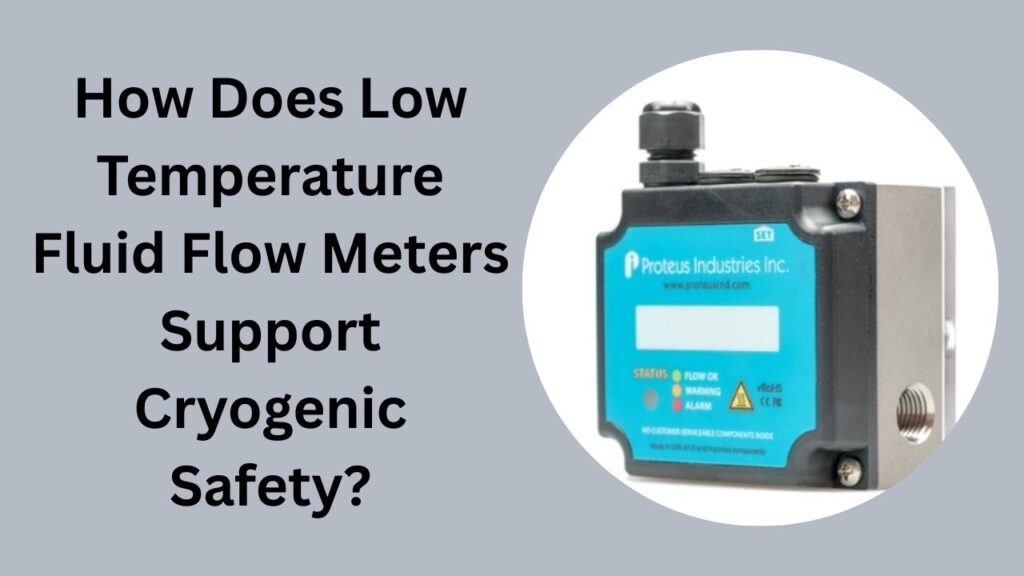
Cryogenic fluids, substances maintained at extremely low temperatures, play essential roles across numerous industries. From liquefied natural gas (LNG) and liquid nitrogen used in medical applications to liquid oxygen in aerospace, these ultra-cold substances require specialized handling and monitoring systems. The risks associated with cryogenic operations are significant: rapid pressure buildup, material embrittlement, oxygen displacement hazards, and potential equipment failure can all lead to catastrophic consequences. This is where low-temperature fluid flow meters become indispensable safety tools, serving as the first line of defense in protecting both personnel and valuable equipment.
Understanding Low Temperature Fluid Flow Meters
A low-temperature fluid flow meter is a specialized measuring instrument designed to monitor fluid movement in extreme cold environments accurately. Unlike standard flow meters, these devices are engineered to withstand and operate reliably at temperatures ranging from -40°C down to -196°C or even lower, depending on the specific model and application requirements.
Modern low-temperature fluid flow meters, such as the Proteus 8000 Series, are built with robust materials, such as stainless steel or specially treated brass, that maintain structural integrity at cryogenic temperatures. These meters offer impressive accuracy levels, typically around 3% of the flow range, and can handle flow rates from as low as 0.2 LPM (0.05 GPM) to as high as 227 LPM (60 GPM). Advanced models incorporate digital signal processing, enhancing measurement stability and reliability, even when dealing with the unique properties of cryogenic fluids.
The Role of Flow Meters in Cryogenic Safety
The primary safety contribution of low-temperature fluid flow meters is their ability to provide continuous, real-time monitoring of cryogenic fluid flow. When dealing with substances at extreme temperatures, even minor flow disruptions can signal serious problems, such as line blockages from ice formation, pump failures, or dangerous pressure accumulations.
These meters act as vigilant sentinels in cryogenic systems. By constantly tracking flow rates and comparing them against predetermined safe operating parameters, they can detect anomalies before they escalate into emergencies. The moment flow drops below or rises above safe thresholds, the meter triggers immediate alerts, giving operators crucial time to intervene and prevent accidents.
Furthermore, many advanced low-temperature fluid flow meters feature automated response capabilities. When integrated with system controls, they can automatically initiate shutdown procedures or activate backup systems, effectively creating a fail-safe environment that minimizes human error and reaction time delays.
Critical Safety Features
Material selection is paramount in the design of cryogenic flow meters. At extremely low temperatures, many common materials become brittle and prone to catastrophic failure. Quality low-temperature fluid flow meters utilize materials specifically chosen for their ability to maintain ductility and strength in cryogenic conditions. Stainless steel components, specialized seals, and protective coatings ensure the meter won’t fail precisely when it’s needed most.
Accuracy at extreme temperatures represents another crucial safety feature. Cryogenic fluids behave differently from fluids at ambient temperatures, exhibiting changes in viscosity, density, and other properties. Advanced low-temperature fluid flow meters compensate for these variations through sophisticated calibration and, in some cases, viscosity compensation algorithms. This ensures that the readings remain reliable under challenging operating conditions.
Built-in protective mechanisms provide additional layers of safety. Many meters include features such as AutoAlarm™ technology, which automatically sets alarm trip points based on operating conditions. They also incorporate built-in relays that can trigger system-wide alarms or initiate emergency shutdowns when flow parameters deviate from safe ranges. NEMA 4X/IP66 enclosures, commonly found on quality meters, protect sensitive electronics from harsh industrial environments while maintaining operational integrity.
Applications in Cryogenic Systems
In medical and healthcare settings, low-temperature fluid flow meters monitor liquid nitrogen delivery to cryogenic storage systems that preserve biological samples, tissues, and reproductive materials. Any interruption in cooling flow could result in irreplaceable specimen loss, making reliable flow monitoring absolutely critical.
Industrial gas processing facilities rely heavily on these meters to manage the production and distribution of liquefied gases. Whether processing LNG, liquid oxygen, or liquid argon, maintaining proper flow rates ensures process efficiency while preventing dangerous pressure situations or incomplete liquefaction.
Research laboratories and academic institutions use low-temperature fluid flow meters in superconducting magnet cooling systems, cryogenic vacuum chambers, and various experimental setups where precise control of ultra-cold fluids is essential for both experimental success and laboratory safety.
Best Practices for Implementation
Proper installation is fundamental to achieving optimal safety performance from low-temperature fluid flow meters. Meters should be installed in locations that allow easy maintenance access while avoiding areas prone to mechanical vibration or physical damage. Proper orientation, typically horizontal installation, ensures accurate readings and extends meter lifespan.
Regular maintenance schedules should include visual inspections for frost buildup, connection integrity checks, and periodic calibration verification. While many modern meters offer five-year warranties and exceptional reliability, proactive maintenance catches potential issues before they compromise safety.
Calibration deserves special attention in cryogenic applications. Facilities should maintain documentation of calibration schedules and ensure meters are calibrated for the specific fluids and operating temperatures they’ll encounter in actual service conditions.
Conclusion
Low-temperature fluid flow meters represent far more than simple measurement devices; they are essential safety components in any system handling cryogenic fluids. Through continuous monitoring, accurate measurement at extreme temperatures, and automated protective responses, these meters significantly reduce the risks associated with cryogenic operations.
As industries increasingly rely on cryogenic processes for applications ranging from energy storage to advanced manufacturing, the role of reliable low-temperature fluid flow meters in maintaining safe operations will become increasingly critical. Investing in quality flow meters designed specifically for cryogenic service isn’t just about regulatory compliance or operational efficiency—it’s about protecting personnel’s lives and safeguarding valuable assets in environments where the margin for error is virtually nonexistent.