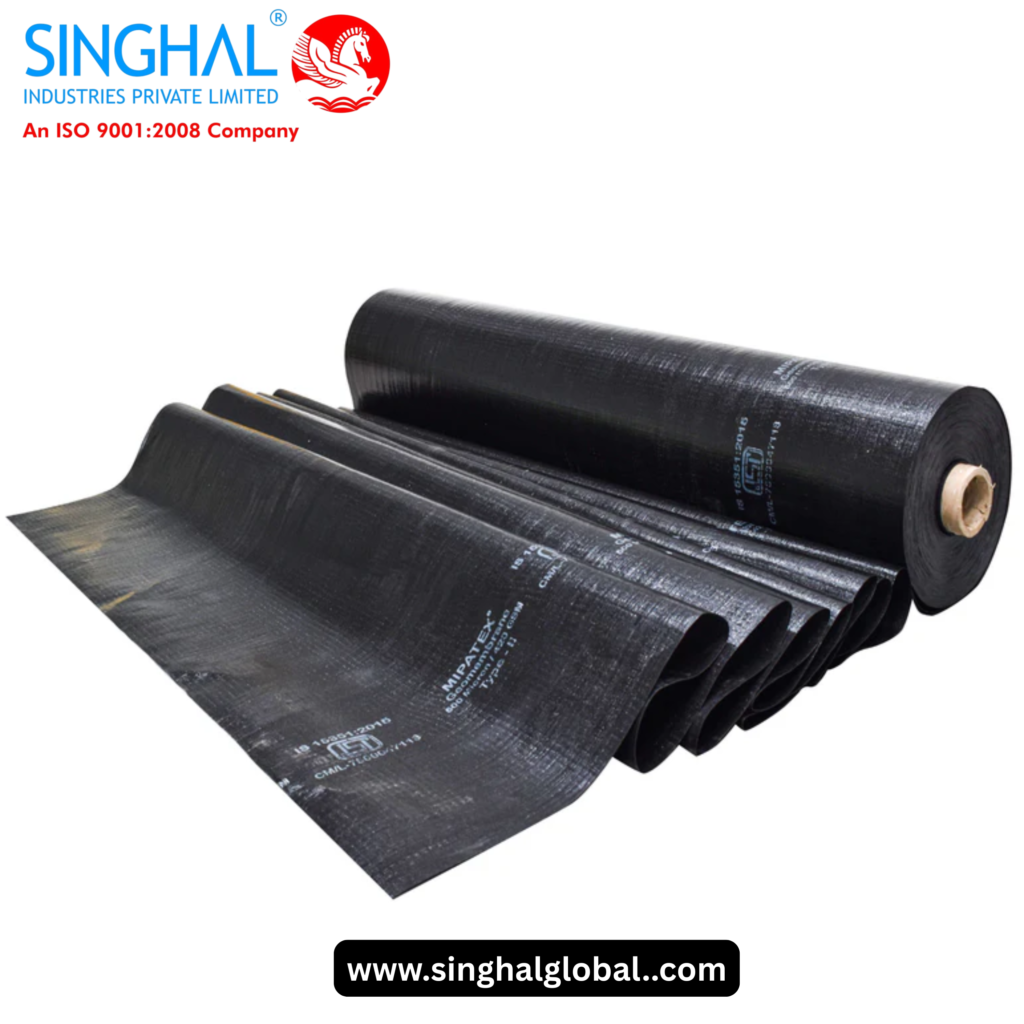
Geomembrane
Geomembranes are geotechnical paving materials that form an impermeable join of the liquid, chemicals and other harmful contaminations occurring in surrounding areas such as soil or groundwater. Thus, the engineering polymer membranes are going into mass production and run in civil engineering as well agriculture, mining industry or environmental protection together with industrial infrastructures. In addition to being one of the best solutions on the market for projects that need containment, it is also an excellent waterproofing. Geomembranes can be placed much more quickly and, unlike conventional clay or concrete barriers, are extremely pliable as well as displaying excellent resistance to agents of environmental degradation. From irrigation reservoirs and aquaculture ponds to municipal landfills or industrial waste storage facilities, geomembranes not only ensure efficient operation but also protect valuable natural resources.
How Geomembranes Deliver Reliable Containment Performance
The HDPE geomembrane manufacturer India achieves its function by providing a continuous, impervious waterproofing surface to seal off unpredictable liquids from entering the soil levels. Such polymer membranes are extremely impermeable and will essentially stop the passage of water, industrial liquids or wastewater, or other toxic chemicals. Super-bonds created with advanced thermal welding techniques during installation fuse heavy sheets together, resulting in seams as strong and useful in function as the membrane itself. When positioned, the geomembrane bends as necessary to conform to mottled ground surface contours and does not lose its waterproofing property in changing temperatures or movement with a structure.
Diverse Applications of Geomembranes Across Industries
In today’s world, geomembranes have established themselves as a top choice due to their versatility and long lifespan. Agriculture, one of the largest consumers are lining ponds ( irrigation-pods), canals, reservoirs rainwater harvesting structures etc. in geomembranes as a paramount aspect and structure to capture water for its utility purpose. Aquaculture farms use these liners to develop free of contamination, fantastic aquaculture water that raises fish and shrimp ponds for convenience. At municipal landfills, geomembranes are installed beneath disposal regions to decrease the leachate movement and stop groundwater pollution from percolating landfill waste influences ecosystem exposure. Top performing mineral processors employ geomembranes to contain and isolate contaminants from infiltrating the environment in heap leach pads, evaporation ponds and tailings storage facilities.
Advantages That Make Geomembranes the Preferred Choice
The engineering, environmental and economic advantages of geomembranes provide users with the right answer, which has replaced traditional containment methods. This better impermeability practically avoids any sort of water leakage which means that it conserves this precious resource and also cures the threats to neighboring soil as well as groundwater from contamination. High-end geomembranes come with remarkable resistance towards aggressive chemicals, UV rays and mechanical stress & punctures also ensures the expected performance outcomes over years of operations as it would not succumb to oxidation. These membranes provide leeway that allow its installation even in rugged territories where waterproof stability is not compromised; the membrane also aids simple transport and minimize time for job completion as it weighs relatively lesser. Geomembranes are relatively lower in construction costs because they utilize much less labor and the initial capital cost is generally cheaper than maintenance-oriented tasks like those needed within concrete lining systems. They are also used in agricultural applications to store water for longer intervals of time, with the intention of reducing runoff and enhancing irrigation. Improved containment safety and enhanced ease of regulatory compliance for manufacturing & environmental projects The Geomembrane, is a low-cost sustainable solution ensuring accuracy and reliability in lifetime operation through the adoption of controllable costs paired with responsible environmental protection policies to maximize practicality.
Manufacturing Quality Determines Long-Term Success
The performance of a geomembrane, however, will depend only on good-quality raw materials and manufacturing processes. A top-notch HDPE geomembrane supplier India utilizes the finest polyethylene resins developed with state-of-the-art extrusion technology for manufacturing liners having uniform thickness and excellent mechanical properties. By monitoring a few quality control procedures, we give special attention to tensile strength, elongation as well as puncture resistance and also tear strength (Tear Resistance), oxidative stability of Carbon black dispersion in manufacturing along with dimensional accuracy for chemical conformity. Each membrane is tested under different conditions such as surface charges and pore size analysis so that all sold products are up to or above internationally accepted engineering benchmarks. Manufacturers produce geomembranes in different sizes and roll width to meet the varied needs of agriculture, mining, environmental design & industrial infrastructure. Cutting-edge automated monitoring systems means that contemporary production plants prove product quality and cut prices of poor manufacturing. Better production standards lead to higher containment performance, extended service life and reduced maintenance costs — all conditions that give engineers responsible for infrastructure projects peace of mind.
Selecting a Trusted Geomembrane Supplier
Choosing the right geomembrane supplier India is crucial for its long term operation from an expert angle. A dependable supplier not only offers the right product but also provides industry expertise, work with an engineer to customize solutions and immediate after-sales service. Only, as the performance of geomembrane is material type-dependent [6 Luo et al. With quality membrane thickness and right method for welding, other essential protective accessories opt with expert providers to make customers choose proper options. Dependable logistics service, comprehensive technical documentation along with international approvals and consistent material availability make for smoother project execution as the site mitigates its risk. A strong supplierclient relationship allows both engineers and contractors to lean on technical assistance during the installation process as well as through ongoing maintenance, greatly extending infrastructure life while improving operational efficiency. Importantly, working with an experienced supplier provides a safer containment systems and superior long-term performance on all projects.
Future Innovations Shaping Geomembrane Technology
This technological advance has stepped the performance and, in particularly it´ sustainability of geomembranes up a notch. Researchers are developing advanced new polymers, that offer greatly enhanced puncture resistance flexibility stability to the effects of UV radiation and chemical durability; which further aid in meeting constantly increasing engineering requirements. Sustainable manufacturing practices have mitigated environmental injury without undermining product quality through the use of recyclable materials and less energy-intensive production methods. Integrated leak detection systems solute strength low smart geomembrane products are proving to be more and more practical alternatives for landfills, mining operations as well as commercial containment centers that have to check constantly. Welding robots / computerized quality inspection technology are improving precision of installations and the reliability of seams. A rising awareness toward climate change, limited water drainage & strict environmental policies can lead to root geomembrane in irrigation frameworks and the cleanliness of wastewater from wind power plants for its use in creating roof structures or bitumen sealing fabrics.
Conclusion
The Geomembrane factory India have enhanced containment engineering made it possible to construct reliable waterproof barriers protecting precious natural resources and optimizing the performance of buildings/human habitats in virtually every industry over various fields of technology. These offer good resistance to water and chemicals, UV stability and physical strength for agriculture related applications such as mining, industrial waste management projects; landfill sites aquaculture installations environmental evaluations. So if you want to achieve the best-in-manufacturing quality, durability and sustainable long-term performance of products then choose eco-friendly HDPE geomembrane manufacturer India. Likewise, collaboration with industrial geomembrane supplier India can provide essential technical expertise along with customized solutions and product-support services for each level of project development.
Frequently Asked Questions
- What is the primary purpose of a geomembrane?
Geomembranes are impermeable synthetic materials that prevent the flow of fluids through soil and rock strata. - Why are HDPE geomembranes widely used?
HDPE geomembranes offer excellent chemical resistance, UV stability, durability, and long-term performance in demanding environments. - Who is the largest supplier of Geomembrane?
Singhal Industries PVT Ltd is one of the suppliers of Geomembrane, but it is not necessarily the largest globally. - How long can a geomembrane last?
With proper installation and maintenance, high-quality geomembranes can provide reliable performance for several decades. - Are geomembranes environmentally friendly?
Yes. Geomembranes help prevent contamination, conserve resources, protect groundwater, and support sustainable environmental management practices.