The Meaning Behind Drew House
Most celebrity fashion lines are built to be seen, not to be worn. They rely on the famous face, the massive logo, and the fleeting attention of a fanbase. Drew House, however, played a different game. By leaning into the Drew Bieber mystique without plastering his face on the garments, it briefly became one of the most successful celebrity side-hustles in modern streetwear.
But the story of Drew House is not just about a yellow smiley face. It is a case study in how to build a genuine subculture, and a cautionary tale about what happens when the founder’s personal evolution outpaces the brand.
The Name as a Secret Handshake
The choice of the name was the first masterstroke. By naming the brand after his middle name—Justin Drew Bieber—the project felt intimate rather than corporate. It was a nod to the inner circle, a signal that this was a personal passion project rather than a licensing deal.
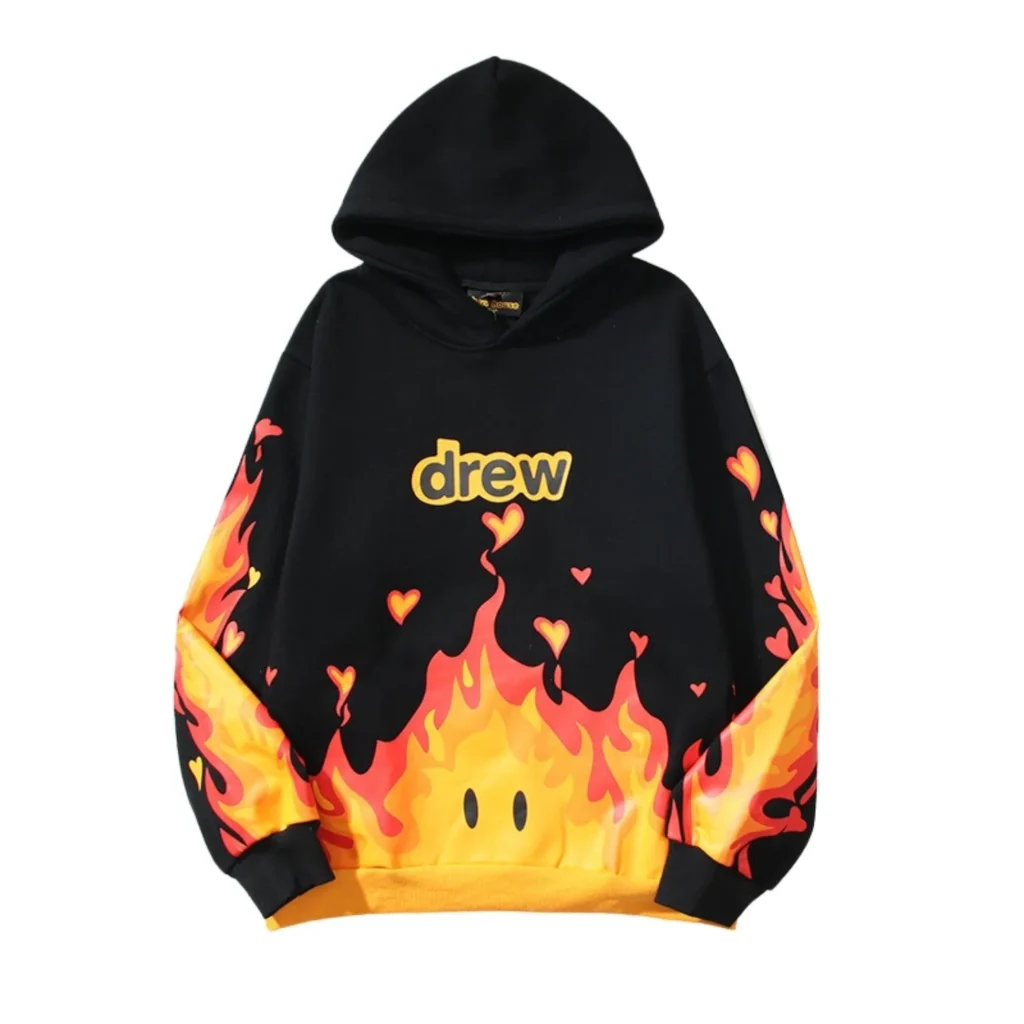
When the brand launched in early 2019 with a drop of $4.99 hotel slippers, the fashion world raised an eyebrow. But the strategy was deliberate. It created an entry point that was low-risk for the consumer but high-hype for the culture. Within days, the slippers and the subsequent corduroy sets were sold out, and the Drew House smiley face—with the word “drew” forming the mouth—became an instant shorthand for a specific brand of laid-back, California joy.
The Anti-Celebrity Celebrity Brand
What truly separated Drew Bieber’s venture from the likes of Fenty or Skims was its refusal to center the founder. According to co-founder Ryan Good, the brand never featured Bieber in its official campaigns. Instead, it sold a feeling: community, inclusion, and a “what, me worry?” attitude.
This allowed the brand to transcend the Beliebers. Fashion creators who had no interest in pop music began wearing the hoodies because the fit, the quality, and the vibe were genuinely appealing. The brand reached “mid-to-high eight-figure sales” annually, expanded into wholesale with Ssense, and even caused a 13% spike in Crocs stock simply through a teaser post. The Drew House aesthetic had become a legitimate player in the dopamine dressing movement, entirely on its own merits.
The Sudden Fracture
Then, in April 2025, the music stopped. In a candid and since-deleted Instagram Story, Justin Bieber severed ties with the company, stating bluntly: “Drew House doesn’t represent me or my family or life”. He urged fans not to spend their money on the brand.
The fallout was messy. Reports emerged of boardroom tensions involving former manager Scooter Braun and a dispute over a board member’s controversial past. While insiders disputed the specifics of the internal votes, the message from Bieber was clear: the Drew Bieber era was over.
What makes this exit fascinating is that it actually reinforces the authenticity of the original project. For six years, Drew House was a reflection of Bieber’s creative circle. The moment it stopped being that, he walked away, rather than cashing checks from a brand he no longer believed in.