Introduction
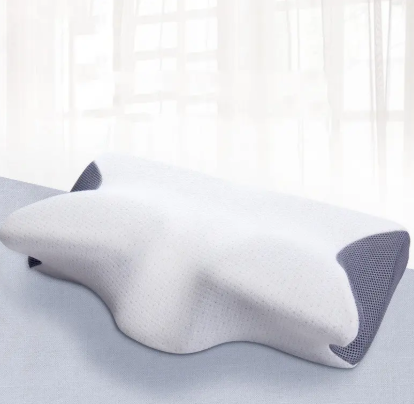
Sleep often feels like it should be effortless, yet many people wake up with stiffness, shoulder tension, or that dull neck ache that lingers through the day. A big reason behind this is poor pillow support. When the head is not aligned properly with the spine, muscles stay slightly active even during rest. The Butterfly Memory Foam Sleep Pillow for Neck Support and Better Sleep focuses on correcting this basic issue through shape and material designed to support natural sleeping posture.
Instead of treating comfort as just softness, this pillow design focuses on structure, especially around the neck and upper spine area. That difference is what can quietly change how rested the body feels after a full night.
Ergonomic butterfly design that supports natural sleeping posture
The most noticeable feature is the butterfly-inspired shape. It is not just for appearance; the contour is built to support the head while maintaining open space around the neck and shoulders. This structure helps the body settle into a more neutral sleeping position without forcing it into stiffness.
A neutral posture is important because it allows the spine to stay aligned in a natural curve. When that happens, pressure does not concentrate in one area. Instead, the weight of the head is distributed more evenly. This reduces strain that usually builds up in the neck region during long hours of sleep.
The curved edges also help accommodate different sleeping positions. Whether someone sleeps on their back or shifts slightly to the side, the pillow maintains support without collapsing unevenly.
Memory foam structure and slow rebound comfort
At the core of the pillow is memory foam with slow rebound behavior. This means the material responds gradually when pressure is applied instead of bouncing back immediately. That slow adjustment allows the foam to adapt to the shape of the head and neck.
The benefit here is consistent support. Traditional pillows often flatten or create uneven pressure zones, but memory foam maintains a balanced surface that adjusts without losing structure. It creates a stable resting base that helps reduce unnecessary movement during sleep.
The slow rebound effect also plays a role in comfort stability. Instead of sudden shifts when changing positions, the foam gently adapts, which helps maintain a smoother sleep experience.
Why neck support changes overall sleep quality
Neck support is often underestimated, yet it directly affects how well the body relaxes. If the neck is tilted too far upward or downward, the spine becomes misaligned. This can lead to muscle tension that continues throughout the night.
A properly designed neck support pillow helps keep the head in a position where the spine stays aligned from top to bottom. When alignment improves, muscles do not need to compensate. That allows the body to enter deeper rest stages more easily.
Over time, consistent support can reduce morning stiffness and improve how refreshed someone feels after waking up. It is not about instant transformation, but gradual improvement in sleep posture.
Pressure distribution and reduced sleep interruptions
One of the common sleep disruptors is pressure buildup in specific areas of the head or neck. When pressure is uneven, the body naturally shifts positions multiple times during the night to find relief. These micro-adjustments can interrupt deeper sleep cycles.
The memory foam used in this pillow spreads pressure more evenly across the surface. Instead of concentrating force on one point, it adapts to the natural shape of the head and neck. This balanced distribution helps reduce the need for constant repositioning.
As a result, sleep becomes more continuous and less fragmented, allowing the body to spend more time in deeper recovery stages.
Designed for different sleeping positions
Not everyone sleeps the same way, and pillow design needs to accommodate that. The butterfly structure supports multiple sleeping positions without losing alignment benefits.
Back sleepers benefit from the central support that keeps the neck in a stable, neutral position. This reduces the tendency for the head to tilt too far forward or backward.
Side sleepers benefit from the contoured edges that help bridge the gap between shoulder and head. That gap is often where misalignment starts, especially when a pillow is too flat or too soft.
Even people who shift positions during sleep can maintain better stability because the foam adjusts gradually instead of collapsing or shifting unevenly.
Comfort balance between softness and firmness
A good sleep pillow is not just soft or firm—it needs a balance of both. Too soft, and the head sinks too deeply, creating misalignment. Too firm, and pressure builds up in sensitive areas.
The memory foam used in this design provides a middle ground. It feels soft on contact but still holds enough structure to support the neck. This combination helps the body relax without losing posture control.
That balance is what allows the pillow to feel comfortable throughout the night rather than just at the moment of lying down.
Temperature comfort and long-night usability
Comfort is not only about shape and support; it is also about how the pillow behaves over time. Heat buildup during sleep can lead to discomfort and frequent waking.
The structure of this pillow supports airflow and reduces heat retention compared to traditional dense filling materials. This helps maintain a more stable sleeping temperature, especially during longer sleep cycles.
A consistent temperature environment supports deeper rest because the body does not need to adjust frequently due to overheating or discomfort.
Long-term shape retention and durability
Many pillows lose their shape over time, which directly affects support quality. Once a pillow flattens, it no longer provides proper alignment, even if it still feels soft.
Memory foam with slow rebound characteristics helps maintain its structure for longer periods. It returns to its original shape after use, which means support remains consistent night after night.
This durability is important for maintaining long-term sleep posture improvement rather than short-term comfort changes.
Who benefits most from this type of sleep pillow
This kind of ergonomic pillow is commonly chosen by people who experience neck stiffness, shoulder tightness, or inconsistent sleep quality. It is also useful for those who spend long hours working in seated positions, where posture strain builds up during the day.
People who struggle with restless sleep often notice that better neck support reduces unnecessary movement during the night. Even without chronic discomfort, improved alignment can make sleep feel more stable and refreshing.
The key benefit is not limited to one type of sleeper. It is about improving how the body rests naturally.
FAQs
What makes a butterfly-shaped pillow different from a normal pillow?
The butterfly shape is designed to support the head and neck together while maintaining space for shoulder comfort. It helps promote better spinal alignment during sleep.
Does memory foam really improve sleep support?
Memory foam adapts to body pressure gradually, helping distribute weight evenly. This reduces pressure points and supports a more stable sleeping position.
Can this pillow help with neck discomfort?
Improved neck support can help reduce strain caused by poor sleep posture. Many users find that better alignment leads to less stiffness over time.
Is it suitable for side sleepers?
Yes, the contoured design supports side sleeping by filling the gap between the head and shoulder, helping maintain alignment.
Will it feel too firm or too soft?
It is designed to balance softness and support. The foam adjusts to pressure while maintaining enough structure for neck stability.
Conclusion
Sleep quality is deeply connected to how well the neck and spine are supported throughout the night. The Butterfly Memory Foam Sleep Pillow for Neck Support and Better Sleep focuses on that foundation through ergonomic shaping and slow rebound foam that adapts to the body instead of resisting it.
When alignment improves, sleep often becomes more stable, less interrupted, and more naturally restorative without needing any complicated changes to routine.