butt fat transfer in dubai
Best butt fat transfer surgeons in dubai: Why Medical History Matters
Best butt fat transfer surgeons in dubai gives healthcare professionals a clearer picture of a person’s overall health. It includes past illnesses, current medical conditions, previous surgeries, allergies, and family health concerns. These details can influence whether a person can safely undergo an elective procedure.
During an assessment, the healthcare team may ask about heart problems, high blood pressure, diabetes, blood clotting disorders, and breathing difficulties. They may also ask about past reactions to anesthesia and any complications following earlier operations.
A complete medical history helps identify concerns that may require further testing, treatment, or specialist advice. It can also help determine whether surgery should be delayed or avoided.
Patients should answer questions honestly and provide accurate information. Sharing health details is not about preventing someone from reaching a cosmetic goal. It is about understanding individual risks and making safety a priority.
Butt Fat transfer Surgery in dubai: Understanding the Medical Assessment
Before Butt Fat transfer Surgery in dubai, a medical assessment helps establish whether the procedure is appropriate for the patient’s health and goals. The evaluation generally includes a discussion of medical history, a physical examination, and a review of lifestyle factors.
The assessment may cover body weight, fat distribution, skin condition, previous abdominal or body surgeries, and the amount of fat that may be available for transfer. The healthcare professional may also discuss the patient’s expectations about the final shape and size of the buttocks.
A physical examination alone cannot identify every possible health concern. Depending on the patient’s history, blood tests or other investigations may be recommended.
Patients should also understand that buttock fat transfer is not simply a way to increase volume. It requires careful planning because fat transfer to the buttocks carries serious risks, including fat embolism. A qualified medical team should explain the procedure, its limitations, and its safety requirements before a decision is made.
Butt Fat transfer Surgery cost in dubai: How Health Can Affect the Overall Cost
The Butt Fat transfer Surgery cost in dubai may vary according to the procedure’s complexity, the amount of liposuction required, the medical facility, anesthesia, and aftercare arrangements. A patient’s health may also affect the preparation needed before surgery.
For example, someone with a medical condition may need additional tests or clearance from another healthcare professional. These steps can affect the overall treatment plan and expenses.
Patients should request a clear breakdown of the estimated cost. They can ask whether consultations, laboratory tests, anesthesia, compression garments, follow-up appointments, and recovery support are included.
The lowest price should not be the only factor when considering surgery. Safe facilities, appropriate medical screening, qualified professionals, and proper emergency arrangements are important considerations.
A medical history review cannot guarantee a complication-free outcome. However, it can help identify risks and support better planning before the procedure.
Best Doctors in dubai: The Importance of a Complete Health Review
When researching the Best Doctors in dubai, patients should understand the value of a detailed medical assessment rather than focusing only on cosmetic results or advertising.
A complete health review should consider both current and past medical conditions. Even a condition that seems unrelated to cosmetic surgery may influence anesthesia, circulation, wound healing, or recovery.
Patients should prepare a list of their medical conditions, previous operations, allergies, and medications. It is also helpful to mention any recent illness, unexplained symptoms, or previous problems with healing.
The healthcare team may ask questions about smoking, alcohol use, physical activity, and changes in body weight. These factors can affect surgical risk and the recovery process.
Patients should feel comfortable asking questions about risks, alternatives, and recovery requirements. A responsible assessment includes clear explanations and allows enough time for patients to understand the information before giving consent.
Dr. perfect celebrity: Understanding Cosmetic Surgery Expectations
The phrase Dr. perfect celebrity may appear in online searches related to cosmetic surgery and body-shaping trends. However, celebrity images and social media content should not be used as a guide to determine whether a person is medically suitable for buttock fat transfer.
Every person has a different body structure, medical background, fat distribution, and healing response. A result seen in a photograph may not be realistic or safe for another individual.
During a medical consultation, patients should explain the changes they hope to achieve. They may discuss their preferred shape, concerns about body proportions, and reasons for considering the procedure.
It is important to understand that cosmetic surgery cannot guarantee a particular appearance. Some transferred fat may be absorbed by the body, and the final result may differ from the initial expectation.
Medical suitability should always come before appearance-based goals. Patients should receive balanced information about possible benefits, limitations, and complications before deciding whether to proceed.
Perfect Doctors Clinic: Why Medical Screening and Safety Standards Matter
People may come across the term Perfect Doctors Clinic while researching cosmetic procedures. Regardless of the name of a healthcare provider, patients should focus on medical qualifications, facility standards, and the quality of the preoperative assessment.
A suitable medical setting should have appropriate surgical equipment, trained staff, anesthesia support, and plans for managing emergencies. Patients should also understand who will provide follow-up care if a concern develops after surgery.
Medical screening should not be treated as a simple formality. It is an opportunity to identify possible problems before an elective procedure takes place.
Patients can ask how their medical history will be reviewed, what tests may be needed, and how complications are managed. They should also receive clear instructions about medication changes, fasting, and preparation for surgery.
No clinic name or promotional statement can replace an individual medical assessment. The decision to proceed should be based on personal health, a clear understanding of the risks, and appropriate clinical guidance.
Fat transfer from stomach to buttocks: Evaluating Donor Fat and Health
Fat transfer from stomach to buttocks involves removing fat from the abdominal area and transferring some of it to the buttocks. The medical assessment considers whether the patient has enough suitable donor fat and whether liposuction can be performed safely.
The amount of available fat differs from person to person. Having more abdominal fat does not automatically make someone a suitable candidate. Overall health, body composition, skin condition, and surgical risks also need to be considered.
The healthcare professional may review previous abdominal surgery, scars, hernias, or other conditions that could affect liposuction planning. The assessment may also consider whether the patient’s weight has remained stable.
Patients should avoid losing or gaining large amounts of weight simply to change the amount of fat available for transfer without medical advice. Significant weight changes can affect both the donor area and the appearance of the buttocks.
The aim is to develop a treatment plan that considers body proportions, health, and realistic outcomes rather than focusing only on the amount of fat that can be removed.
Best butt fat transfer surgeon in Dubai: Reviewing Individual Risk Factors
People searching for the Best butt fat transfer surgeon in Dubai should understand that individual risk assessment is an essential part of responsible surgical planning.
One important factor is the risk of blood clots. Previous blood clots, certain medical conditions, limited mobility, and some medications may increase this risk. The healthcare team may ask about personal or family history of clotting problems.
Smoking and nicotine use also require discussion because they can affect circulation and healing. Patients should tell the healthcare team about all nicotine products they use and follow medical advice about stopping before surgery.
Other factors include anemia, uncontrolled diabetes, heart or lung disease, immune system conditions, and previous anesthesia complications. Some issues may require treatment or further assessment before surgery can be considered.
Patients should never stop prescribed medication on their own. Any changes to blood thinners, diabetes medication, supplements, or other drugs must be discussed with the appropriate healthcare professional.
Best butt fat transfer surgeons in Dubai: Medication and Allergy Checks
A review of medication use is another important part of the medical history process. Prescription medicines, over-the-counter products, vitamins, herbal remedies, and supplements may affect bleeding, anesthesia, blood pressure, or healing.
Patients should prepare a complete list of everything they take, including the dose and how often they use it. They should also mention medication allergies, latex allergies, and previous reactions to anesthetic medicines.
Certain medicines may need to be adjusted before surgery, but this depends on the person’s health and the specific medication. Patients should follow individualized instructions rather than relying on general advice from the internet.
The healthcare team may also ask about previous hospital admissions and complications during earlier procedures. This information helps identify concerns that could require additional precautions.
Being open about medication use supports safer planning. Even products described as natural can have effects that matter during surgery.
Fat transfer clinic in dubai: Preoperative Tests and Medical Clearance
When researching a fat transfer clinic in dubai, patients should understand that recommended tests depend on their age, medical history, physical examination, and the planned procedure.
Possible investigations may include blood tests, assessment of blood sugar, evaluation of anemia, or other tests based on specific health concerns. Additional review may be needed for people with heart disease, breathing problems, or a history of blood clots.
Not every patient requires the same tests. Medical testing should be selected according to clinical needs rather than performed only as a routine checklist.
Medical clearance also does not mean that surgery is completely risk-free. It means that relevant information has been reviewed and that identified concerns have been considered before proceeding.
Patients should receive clear instructions about when to complete tests, which medications to take, and what to do if they develop a new illness before surgery. Fever, a chest infection, or another significant change in health may require the procedure to be postponed.
Butt fat transfer in dubai: Assessing Suitability and Safety
Before considering butt fat transfer in dubai, patients should discuss whether their health and body composition make the procedure appropriate.
A suitable candidate generally needs to be in reasonably good health, have enough donor fat for the intended plan, and understand the risks and limitations. Stable body weight and realistic expectations may also support better planning.
However, suitability cannot be determined from a photograph or an online questionnaire alone. A proper assessment requires a review of medical history and an appropriate physical examination.
Buttock fat transfer has specific safety concerns. Injecting fat into or beneath the gluteal muscle can cause fat embolism, a potentially fatal complication. Patients should ask about the planned injection technique, real-time ultrasound guidance, and measures used to keep fat placement within the subcutaneous layer above the muscle.
They should also understand that some transferred fat may not survive, and additional procedures may not be appropriate for everyone. Safety should take priority over the amount of volume desired.
Butt fat transfer cost: What Patients Should Consider Before Surgery
The butt fat transfer cost may include the initial assessment, laboratory tests, liposuction, fat processing, anesthesia, facility fees, and follow-up care. The exact items included can differ between treatment plans.
A patient’s medical history may influence the type of preparation needed. For example, a health condition may require additional testing or consultation before surgery. These requirements should be explained clearly when discussing expenses.
Patients should ask for a written estimate and confirm whether unexpected medical needs or additional follow-up appointments could create extra costs.
It is also important to consider time away from work, transport, assistance at home, and suitable recovery arrangements. These practical needs may add to the overall expense.
Cost comparisons are most useful when they include the same services and safety standards. Choosing a procedure based only on a low advertised price can leave important medical and aftercare needs unclear.
Butt fat transfer results: How Medical History Influences Recovery and Outcomes
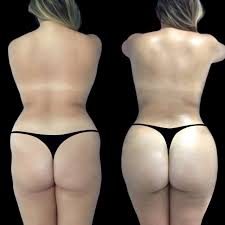
Butt fat transfer results depend on several factors, including the amount of fat transferred, the survival of the transferred fat, body shape, surgical technique, and the healing process.
Medical history can help identify conditions that may affect recovery. Diabetes that is not well controlled, nicotine use, poor nutrition, and certain circulation problems may increase healing concerns.
Patients should understand that not all transferred fat remains permanently. The body naturally absorbs some of it, and changes in weight can influence the long-term appearance of the buttocks.
A responsible treatment plan should explain what level of change is realistic and when results can be assessed. The early appearance may change as swelling decreases and healing progresses.
Patients should attend follow-up appointments and report unusual symptoms promptly. Severe or worsening pain, breathing difficulty, chest pain, fainting, or sudden weakness after surgery requires emergency medical attention.
Butt fat transfer recovery: Why Health History Matters After Surgery
Butt fat transfer recovery requires careful planning, particularly because patients need to protect the treated areas while reducing the risk of complications.
Before surgery, patients should discuss their home environment, work duties, usual activity level, and access to help during recovery. They should also ask how long they may need to avoid direct pressure on the buttocks and when normal activities can resume.
Recovery instructions vary according to the procedure and the patient’s condition. Patients should follow their own medical team’s guidance rather than assuming that another person’s recovery schedule will apply to them.
A history of blood clots or limited mobility may require a specific plan to reduce clotting risk. Medication instructions, safe movement, hydration, wound care, and follow-up visits should all be explained before discharge.
Patients should not ignore new symptoms or attempt to manage serious complications at home. Clear communication with the healthcare team is an important part of postoperative safety.
Fat transfer from stomach to butt: Understanding the Procedure’s Limits
Fat transfer from stomach to butt is another way people describe removing abdominal fat and transferring it to the buttocks. Although the wording is simple, the procedure involves several medical steps that require careful planning.
The assessment should consider whether abdominal liposuction is suitable, how much fat may be safely removed, and whether the patient’s health supports the planned surgery. Previous abdominal operations, scars, and certain medical conditions may influence the approach.
Patients should understand that removing fat from the stomach does not guarantee a flat abdomen or a particular buttock shape. Skin elasticity, body proportions, and the amount of fat available can affect the final appearance.
The transferred fat must be handled and placed carefully. Not all transferred fat survives, and the procedure carries risks that should be explained in detail before consent is given.
A realistic discussion of limitations can help patients decide whether the expected benefits are worth the risks and recovery time.
Butt fat transplant: Making an Informed and Safe Decision
The term butt fat transplant is commonly used to describe transferring a person’s own fat to the buttocks. It may be considered by people who want to change body shape without using a traditional buttock implant, but it is still a surgical procedure with important risks.
A careful medical history review helps identify possible concerns before treatment. It should include existing illnesses, previous surgeries, medication use, allergies, smoking habits, blood clot history, and any previous complications with anesthesia or wound healing.
Patients should ask clear questions about the technique, fat placement, anesthesia, expected results, recovery, and emergency arrangements. They should also be given enough time to consider the information and discuss alternative options.
The most important step is to make a decision based on personal health and reliable medical advice, not pressure, social media trends, or promises of perfect results.
Conclusion: Why Medical History Is Essential for Butt Fat Transfer
Evaluating medical history is a key part of planning buttock fat transfer. It helps the healthcare team understand a patient’s health, identify risk factors, decide whether further testing is needed, and create an appropriate surgical and recovery plan.
Anyone considering this procedure should provide complete information about medical conditions, medications, allergies, previous operations, and lifestyle habits. They should also understand the specific risks of buttock fat transfer, including the danger of fat embolism, and ask about safeguards such as ultrasound-guided fat placement.
No cosmetic procedure can guarantee perfect results or eliminate every risk. A careful assessment, realistic expectations, qualified medical care, and appropriate follow-up can help patients make better-informed decisions about their health and body goals.