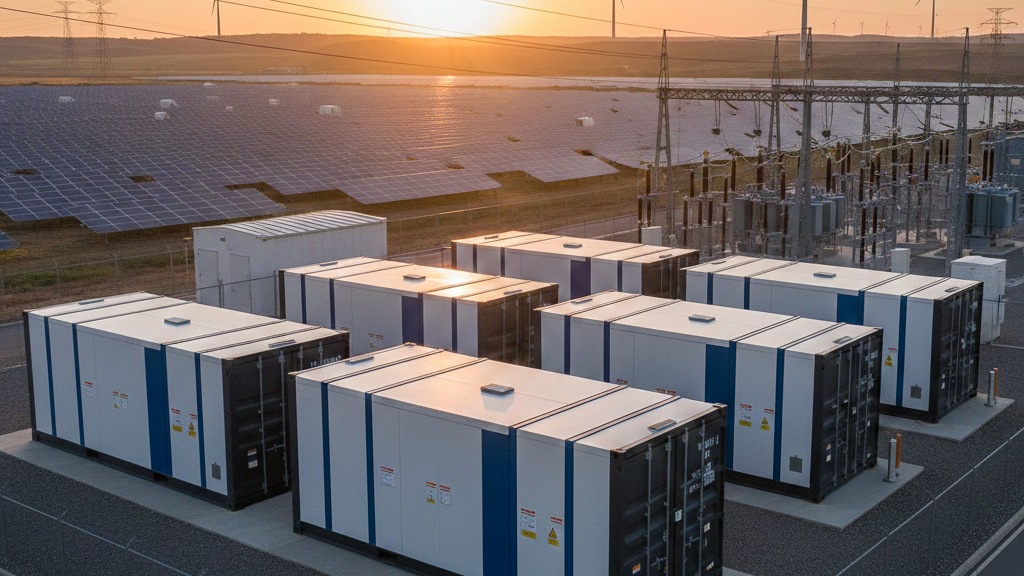
The global energy storage industry is undergoing a major transformation. For decades, lithium-ion batteries have been the dominant technology powering everything from mobile phones and laptops to electric vehicles and grid storage systems. However, the rise of graphene-based energy storage technologies is challenging this dominance and introducing a new era of faster, safer, and more efficient power systems.
The comparison of Graphene vs Lithium-Ion is not just a technical discussion it represents the future direction of renewable energy, electric mobility, telecom infrastructure, and grid-scale power systems.
Companies like Graphene Power Storage are actively developing advanced graphene-based solutions designed for residential, industrial, and utility-scale energy storage applications.
Understanding Lithium-Ion Battery Technology
Lithium-ion (Li-ion) batteries are electrochemical energy storage devices that operate by moving lithium ions between a positive electrode (cathode) and a negative electrode (anode) through an electrolyte.
How Lithium-Ion Works:
During charging, lithium ions move from the cathode to the anode
During discharging, ions move back to the cathode, releasing energy
This movement generates electrical power for devices
Key Components:
Cathode (often lithium cobalt oxide or similar compounds)
Anode (usually graphite)
Electrolyte solution
Separator membrane
Applications:
Smartphones and laptops
Electric vehicles (EVs)
Energy storage systems
Medical devices and portable electronics
Lithium-ion technology has been successful due to its high energy density, reliability, and mature manufacturing ecosystem. However, it has clear limitations when it comes to long-term scalability and next-generation energy demands.
Understanding Graphene Energy Storage Technology
Graphene is a single layer of carbon atoms arranged in a hexagonal lattice, known for its extraordinary physical and electrical properties. It is one of the strongest and most conductive materials ever discovered.
In energy storage systems, graphene is used in:
Enhanced lithium-ion batteries
Supercapacitors
Hybrid energy storage systems
Next-generation solid-state batteries
Key Properties of Graphene:
Extremely high electrical conductivity
Superior thermal conductivity
High surface area
Lightweight and flexible structure
Strong mechanical durability
These properties allow graphene to significantly improve battery performance in multiple dimensions.
Graphene vs Lithium-Ion: Core Performance Comparison
1. Energy Density and Storage Capacity
Lithium-ion batteries currently offer high energy density, making them suitable for compact devices and electric vehicles.
Graphene-based systems, especially hybrid designs, aim to:
Improve energy transfer efficiency
Enhance charge storage capabilities
Reduce energy loss during cycles
While lithium-ion still leads in proven commercial energy density, graphene has the potential to surpass it in advanced hybrid systems.
2. Charging Speed and Power Delivery
One of the biggest limitations of lithium-ion batteries is charging speed. Large lithium-ion systems require significant time to fully charge due to internal resistance and heat limitations.
Graphene changes this fundamentally:
Lower electrical resistance
Faster electron mobility
Improved ion diffusion pathways
Result:
Graphene-based systems can support ultra-fast charging and discharging, making them ideal for:
Grid stabilization
Telecom backup systems
High-demand industrial applications
This is one of the strongest advantages of graphene technology.
3. Lifespan and Cycle Durability
Lithium-ion batteries degrade over time due to chemical wear, typically lasting between 500 to 3,000 charge cycles, depending on usage and quality.
Graphene-enhanced systems significantly improve cycle life by:
Reducing internal resistance
Improving heat distribution
Stabilizing electrode materials
Result:
Graphene systems can support much longer operational lifespans, reducing replacement costs and maintenance requirements over time.
4. Heat Management and Safety
Thermal stability is a major concern in lithium-ion systems. Under heavy load or damage, lithium-ion batteries can experience overheating or thermal runaway, which can lead to safety risks.
Graphene provides superior thermal conductivity, meaning:
Heat spreads evenly
Reduced hotspots
Lower risk of overheating
Improved system safety
This makes graphene-based storage particularly attractive for:
Grid-scale energy systems
Telecom infrastructure
Industrial environments
5. Efficiency and Energy Loss
Lithium-ion batteries experience energy losses due to internal resistance and heat generation during charging and discharging cycles.
Graphene reduces these losses by:
Enhancing conductivity
Improving electron flow
Reducing internal resistance
Result:
Higher round-trip efficiency and better energy utilization, especially in large-scale systems.
6. Cost and Commercial Availability
Lithium-ion technology benefits from decades of mass production and supply chain optimization, making it:
More affordable
Widely available
Easier to integrate
Graphene technology, however, is still emerging:
Higher production cost
Limited large-scale manufacturing
Rapidly evolving research and development
Over time, graphene costs are expected to decrease as production scales increase.
7. Commercial Maturity and Adoption
Lithium-ion is a fully mature technology, widely deployed across global industries.
Graphene is still in the growth and early commercialization phase, but it is rapidly expanding into:
Grid energy storage
Telecom backup systems
Renewable integration systems
Industrial energy optimization
Companies like Graphene Power Storage are helping bridge the gap between research and real-world deployment.
Real-World Applications
Lithium-Ion Applications:
Consumer electronics
Electric vehicles
Small-scale energy storage
Portable devices
Graphene Applications:
Grid-scale energy storage systems
Telecom backup power modules
Smart energy management systems
Renewable energy stabilization
Industrial and utility power systems
Graphene is especially powerful in large-scale and high-demand environments, where efficiency and lifespan matter more than upfront cost.
Environmental Impact Comparison
Lithium-Ion:
Mining of lithium, cobalt, and nickel has environmental concerns
Battery disposal and recycling challenges
Shorter lifecycle increases waste generation
Graphene:
Carbon-based material with potentially lower environmental impact
Longer lifespan reduces waste
Better integration with renewable energy systems
Supports carbon-efficient infrastructure
Graphene systems align more closely with long-term sustainability goals.
Industry Future Outlook
The future of energy storage is not simply a replacement of lithium-ion, but an evolution toward hybrid systems.
Expected trends include:
Graphene-enhanced lithium-ion batteries
Hybrid supercapacitor-battery systems
AI-driven energy management integration
Grid-scale renewable storage hubs
Fully automated smart energy ecosystems
Research indicates graphene will play a key role in next-generation energy storage due to its conductivity and efficiency advantages. (sciencedirect.com)
Role of Companies Driving Innovation
Companies like Graphene Power Storage are contributing to this transformation by developing:
Advanced graphene energy storage systems
Scalable grid solutions
Smart energy management integration
High-efficiency battery technologies
These innovations are helping accelerate the shift toward more efficient and intelligent energy infrastructure.
Final Verdict: Graphene vs Lithium-Ion
Lithium-Ion Strengths:
Proven technology
Lower cost
Widely available
Mature global supply chain
Graphene Strengths:
Faster charging
Longer lifespan
Better thermal safety
Higher efficiency potential
Strong scalability for grid systems
Conclusion:
Lithium-ion remains dominant today, but graphene represents the future of high-performance energy storage, especially for large-scale, industrial, and renewable energy applications.
The most likely future is a hybrid ecosystem, where graphene enhances or complements lithium-ion systems rather than immediately replacing them.
Final Thoughts
The comparison of Graphene vs Lithium-Ion highlights a major shift in global energy technology. While lithium-ion continues to power today’s world, graphene is shaping tomorrow’s energy infrastructure with faster, safer, and more efficient systems.
As innovation continues, supported by companies like Graphene Power Storage, the world is moving toward a smarter and more sustainable energy future.